Ireland! The land of myth and mystery, combined with relaxation in Europe’s most authentic pubs. One of the world’s longest coastal roads, ancient castles, and impressive monuments are just a few of the elements that make up the country’s unique landscape. You’ll see the cities’ intense rhythms, their crazy fun, and listen to hours of Irish music. In our comprehensive travel guide below, you’ll find all the information you need before your first trip to the country.
| Capital | Dublin |
| Population | ~5.1 million |
| Languages | English (dominant) & Irish (Gaelic) |
| Currency | Euro (€) |
| Plug type | G (Irish/UK plug — bring an adapter!) |
| Voltage | 230V / 50Hz |
| Schengen | ❌ NOT Schengen — separate entry rules |
| Entry (EU/Greeks) | ✅ Passport required (ID card may NOT be sufficient — check) |
| Entry (US/Canada/Australia) | ✅ No visa — 90 days, just a valid passport |
| Northern Ireland | UK territory — UK ETA required (enforced Feb 2026) |
| Cliffs of Moher | ~€12 adults — book at cliffsofmoher.ie |
| Guinness Storehouse | €26–36 — book online in advance |
| Book of Kells | €25 adults — pre-book online, timed entry |
| Dublin mid-range hotel | ~€120/night |
| Best time | May–Jun & Sep |
| Flights | 👉 Skyscanner |
| Accommodation | 👉 Booking.com — Ireland |
| Tours & activities | 👉 GetYourGuide — Ireland |
| Car rental | 👉 Discovercars.com |
| eSIM Ireland | 👉 Airalo |
Ireland Entry Requirements
Ireland is an EU member but is not part of the Schengen Area, one of only two EU countries (along with Cyprus) that opted out. Ireland has completely separate immigration rules.
What this means:
- A Schengen visa does not grant access to Ireland. If you can enter France, Germany, or Greece, that doesn’t mean you can enter Ireland
- If visiting both Ireland and mainland Europe on the same trip, you need to meet the entry requirements for each separately
EU citizens: EU citizens have the right to enter Ireland freely. A valid passport is recommended, while an ID card is technically sufficient for EU citizens, airlines may require a passport. Check with your airline before traveling.
US / Canadian / Australian citizens: No visa required, up to 90 days for tourism or business. Just arrive with a valid passport. No pre-travel authorization, no online application, Ireland is refreshingly simple. An immigration officer may ask for proof of accommodation and a return ticket.
Northern Ireland — UK ETA Required (from February 2026): Northern Ireland is part of the United Kingdom, not the Republic of Ireland. US citizens and other visa-exempt nationals now need a UK Electronic Travel Authorisation (ETA) to visit Northern Ireland, actively enforced since February 2026. There is no physical border between the Republic and Northern Ireland (you can drive freely), but different immigration rules apply.
Other nationalities: More information for the necessary travel documents, depending on your nationality, can be found on ivisa.com.
Where to stay in Ireland
Ireland, and particularly Dublin, is not a cheap destination.
Dublin:
- Hostel dorm: €25–45/night
- Budget guesthouse / B&B: €70–100/night
- Mid-range hotel: €120–200/night
- Luxury: €200–400+/night
Low-cost hostels for Ireland can be found on HostelWorld.com.
Galway:
- Mid-range hotel: ~€90–150/night
- B&Bs: excellent value with character — €70–110/night
Rural Ireland (Kerry, Clare, Connemara):
- B&Bs: €60–100/night, often include a full Irish breakfast
- Self-catering cottages: from ~€80/night for a couple
Browse more Ireland accommodation on Booking.com
Traditional Food
Irish cuisine has it all. Almost all traditional dishes include meat (especially lamb and pork), potatoes, and cabbage. It is common to cook them for a long time, and the only spices are usually salt and pepper. Also famous drinks in Ireland are their beers, most famously Guinness, and their whiskies, which are world famous. Classic Irish dishes will be mentioned below.
Seafood Chowder: This rich soup is made with cream and seafood, which some people call poor man’s food. It is one of the top choices when it comes to the country’s traditional food. Soup is so old that its name comes from the Latin caldera, which originally meant a place to heat things, and later meant a cooking vessel. Every restaurant has its own variation in terms of the recipe.
Guinness Brown Bread: Traditional bread ideal for breakfast or served alongside a meat dish.
Oysters: They are famous for their large oysters on the West Coast. In fact, in September, there is an entire oyster festival in the town of Galway.
Irish breakfast: It includes bacon, eggs, beans, fried tomatoes, mushrooms, hash browns, and sausages. To accompany the already heavy breakfast, some have the well-known Irish coffee. This coffee stands out from the others you know because they pour whiskey in it. Irish breakfast is commonly known as a fry-up and is served in restaurants much later than the common breakfast time, compared to other European countries.
Irish Stew: Traditionally made with mutton, onions, and potatoes (some people add carrots). To avoid the stew being too watery, most people let it simmer for a long time. Of course, nowadays most people use lamb in the recipe. Sheep meat is definitely tastier, but harder to find. Some people even put in thyme, parsley, and bay leaves to make it more flavourful.
Colcannon and champ: Potatoes completely changed the Irish diet when they were introduced to the country in the late 16th century. Potatoes are still a staple in most meals today. Colcannon is a classic mash of potatoes, cabbage, and butter (or cream), flavoured with spring onions. Champ is a similar mashed potato, flavoured with onions, milk, and butter.
Boxty: The recipe calls for mixing grated raw potatoes with mashed potatoes. Then there are 2 alternatives. Either it is mixed with flour and salt and boiled before being shredded and fried in butter (boxty dumplings), or it is added to a pancake and then shredded and fried (boxty on the pan). No matter which way you choose, your boxty can be paired with almost anything. Try it with bacon and eggs or smoked salmon and cream.
Coddle: A speciality of Ireland’s capital city. The name coddle comes from the slow boiling or Coddling of the ingredients in the pot. They use pork sausages, potatoes, and bacon for the recipe. It is served with the Guinness brown bread mentioned above.
Getting Around Ireland — Transportation Guide
Plane: Ireland has 4 international airports: Dublin (DUB) is the main hub. Ireland West Airport (Knock) (NOC), which serves the northwest and west. Shannon (SNN) on the west coast is perfect if you’re focusing on the Wild Atlantic Way, Cliffs of Moher, and Galway; it takes a full day of travel off your itinerary vs. flying into Dublin. Cork (ORK) serves the south.
Train: Irish Rail (Iarnród Éireann) connects major cities. Dublin–Galway: from ~€13 (advance) / ~2.5 hours. Dublin–Cork: from ~€17 (advance) / ~2.5 hours. Dublin–Killarney: from ~€22 (advance) / ~3.5 hours. Book online at irishrail.ie for best prices.
Bus: Bus Éireann and private operators like GoBus and Citylink connect most towns. Often cheaper than trains and useful for routes without rail service.
Car rental — Essential for the Wild Atlantic Way: The most flexible way to explore Ireland, essential for the Ring of Kerry, Wild Atlantic Way, Connemara, Dingle Peninsula, and rural areas that buses barely reach.
- Prices from ~€35/day for a small car (budget, advanced booking)
- Drive on the LEFT in Ireland
- Roads in rural and western Ireland can be very narrow; a small car is strongly recommended
Compare prices on Discovercars.com
Dublin city transport:
Luas: a tram system with two lines crossing the city
Leap Card (reloadable card): save up to 31% on bus, DART, and Luas fares vs. cash
Leap Visitor Card: unlimited travel in Dublin — ~€10/1 day / ~€19/3 days / ~€26/7 days
Dublin Bus: extensive network
DART: coastal rail line — Malahide to Greystones, passing Dún Laoghaire and Howth
What to do in Ireland
The Coastal Route
The Wild Atlantic Way, 2600 km long, is one of the longest coastal routes in the world. It runs along the west coast of Ireland from the Inishowen Peninsula in the north to the picturesque town of Kinsale in the south. This start-to-finish route unfolds the wonders of nature and the power of the ocean on the west coast of Ireland and the stunning countryside in all its glory. Along the route, you will find charming and picturesque villages, as well as various ancient monuments. It is preferable to rent your own car so that you can follow your own itinerary just as you wish.
Galway
It is the cultural heart of Ireland. It is a well-known student town with a lively student life, young people, and great pubs. There are many festivals and cultural events, especially during the spring and summer. In 2020, it was chosen to be the European Capital of Culture along with Rijeka, Croatia. In the region, you can still visit the famous Kilmacduagh Monastery. You can admire the beauty of the landscape as well as the tower itself, the ruins of the temples, and the Celtic crosses.
Finally, you can visit the castle of Leeds. The castle is a medieval, fortified, four-storey house with carved windows and gargoyles. Built by the powerful Lynch family as protection against raids of the time, parts of the limestone building date back to the 14th century, but most of it was built in the 16th century. The Lynches, of Anglo-Norman origin, were one of the powerful 14 tribes that ruled Galway. More information about the town can be found on galwaytourism.ie.

The Giant’s Causeway
One of the most impressive sights in Northern Ireland is the Giant’s Causeway. A masterpiece of nature created by the rapid cooling of lava at this particular spot, following intense volcanic activity in the area. The columns present on the site reach up to 12 meters high. There are, of course, several people who are not convinced and argue that the symmetry of the site is a creation of nature alone, with various myths floating in the air. The columns start from the foot of the mountain and reach down to the sea. This area has also been designated as a UNESCO World Heritage Site, and is number 4 on the UK’s list of natural wonders.

Belfast
Belfast, as we mentioned at the beginning, is the capital of Northern Ireland, but also its largest city. The name of the city is derived from the Irish words Beal Feirste, meaning the mouth of the Farsett, a river in the region of great importance for navigation at the time. The area was also home to the great shipbuilding company that built the Titanic, which later sank in the North Atlantic on its maiden voyage.
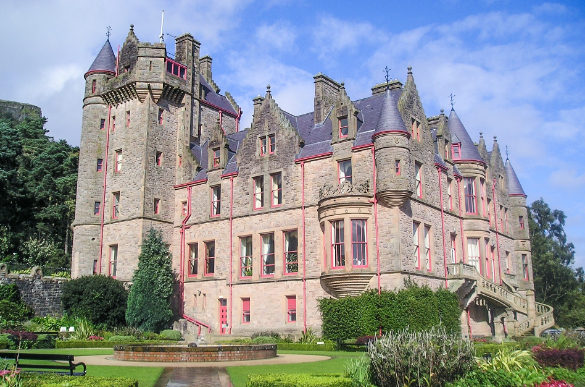
Belfast has now left behind hostilities and clashes with the IRA and has entered an era of economic growth and prosperity. In Belfast, you can see the majestic Belfast City Hall, Belfast Castle, stroll through the city’s botanical gardens, and do your shopping and eat at St George’s market. This market is the last Victorian market to exist in Belfast. Don’t miss the Crown Bar or The Crown Liquor Saloon, one of the most popular establishments.
Dublin
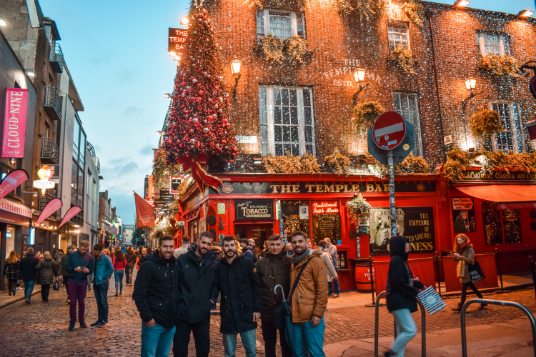
Capital of the Republic of Ireland and the place most tourists choose to visit. The energy of the city is something special. You’ll notice it as soon as you pass through the famous alleys of the Temple Bar district. The area is mainly known for its nightlife, which lasts until the next morning. There you’ll find locals and tourists alike making their regular weekend rounds from Victorian pubs to trendy cocktail bars. What the area has in common is a good mood and a love of fun. In the same district, you’ll find the famous Temple Bar of the same name. Live traditional music, a cosy atmosphere, and plenty of booze all add to the image of this legendary pub. Finally, you can walk around the medieval churches, the picturesque alleys, and get some fresh air in the city’s beautiful parks.
PERSONAL FACT: Dublin was the destination my friends and I chose for my Bachelor’s party. I highly recommend it to anyone looking for a similar place for a similar situation! The options are many, the people are friendly, and the city in general is overflowing with energy and fun.
More information can be found in our travel guide for Dublin
Killorglin
Visit Killorglin in the heart of Kerry. The town is small, and you can get around relatively quickly. Discover stories of days gone by at the Underground Museum and pick up fresh, local produce at the weekly farmers’ market. Plan your visit to the Puck Fair, one of Ireland’s oldest street festivals held in August. Steeped in mystery and legend, experience the vibrant carnival atmosphere with storytelling, traditional music, and parades. The beer in Kilorglin is made by the locals and served hot, which is strange to most people. A landmark is the statue of a goat that many people run to take a picture of.

Ballycarberry Castle
Ballycarberry Castle is situated in an area known as “over the water” by the locals in Cahirciveen. This impressive castle, with the tower now choked with ivy foliage, was once the home of the McCarthy clan and was built in the 15th century. It is probably the largest and most impressive castle built on the Iveragh peninsula and is still very impressive, thanks to the nature that has literally embraced it. It’s not so well preserved anymore, but that doesn’t mean it goes unnoticed. Access is obviously available, as several walls have now fallen down. The highest point is the first floor, which can be reached by stairs, also not well preserved.

Cahersiveen
Cahersiveen, with a population of about 1200 people, is one of the westernmost towns in Ireland and, therefore, one of the westernmost towns in Europe. The town is situated at the foot of Mount Beentee, on the River Fertha, and overlooks Valentia Harbour. It has remained a town based on its local market for centuries and has never fully enjoyed the benefits of the tourist industry, making it perhaps one of the most authentic towns in the Kerry Ring. The name Caherciveen can be spelled 3 different ways: Caherciveen, Cahersiveen, and Cahirciveen.
A beautiful marina has been added to the town in recent years, and if you are a boating enthusiast or a sea enthusiast, it is well worth a visit. Horseback riding is also very common in the town. Finally, other sights to see are the old city camp, as well as the stone forts of Leacanabuaile and Cahergal, which steal the show and are definitely worth a visit.

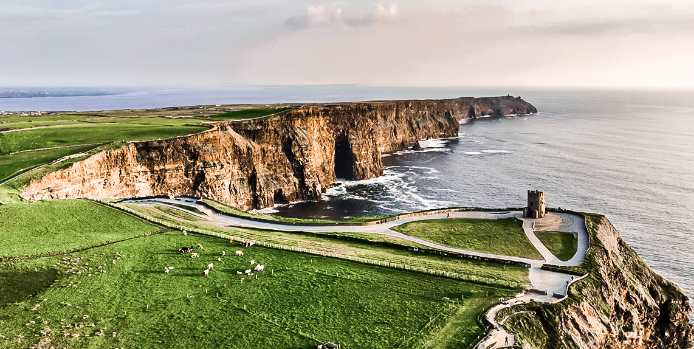
Cliffs of Moher
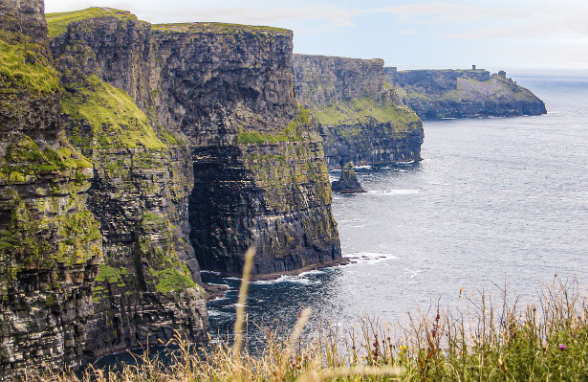
One of the most iconic coastal landscapes in Ireland. During your visit, you can learn about the formation of these famous cliffs. Facts such as why they are of such great natural and geological importance internationally, and why the cliffs are a protected area. Birds make colonies in the area, nesting and flying under the cliff edges. The cliffs are made of hard sand and mud. These layers of rock are supported by an older series of limestone rocks, with a thin layer of shale between the rocks. For more information about the rocks and to book, you can visit cliffsofmoher.ie.
Packing Tips & When to Go
Ireland’s weather is mild all year round. In fact, the country’s weather can be perfectly summed up in three little words: mild, wet, and variable with lots of rainfall. Among the required things that are good to bring with you to Ireland, we recommend the following:
Waterproofs and an umbrella: The chances that you will experience some rain regardless of the month you are travelling in, are high. It is highly recommended that your raincoat is also windproof to avoid wind issues.
Boots: Whether you want to explore Ireland’s rocky countryside or spend the day exploring the country’s cities on foot, it’s safe to say you’ll be doing a lot of walking. To be safe from minor injuries, and for the potential rain you’ll encounter, boots are the best solution. As long as they are waterproof and hold your foot firmly.
Power Bank: No one wants to run out of battery, either on their phone or on the photographic equipment you’re likely to bring with you.
Travel adapter: It’s a good idea to carry a travel adapter for power outlets. We suggest it be for all countries, so you don’t have to buy a separate one each time. Several commercially available ones convert accordingly.
Rain and clouds are present almost all year round in Ireland. The best seasons to visit the country are from March to May and from September to November. During these periods, temperatures are more favourable and the tourist season is not at its peak. This means equally favourable prices and better conditions for carrying out your activities. We personally visited Dublin in the month of December. The temperatures were quite low; however, the atmosphere of the city was incredibly “warm,” so it was not a deterrent for us.
Useful Words
The predominantly spoken language in Ireland is English. You won’t encounter any communication problems in the provincial part either. However, for those who want to know some words in the Irish language, we have listed a few below.
| Yes | – | How much does it cost | Cé mhéad |
| No | – | Good Morning | Maidin mhaith |
| Hello | Dia duit | Good Night | Oíche mhaith |
| Thank you | Go raibh maith agat | My name is… | Is mise .. |
| You’re welcome | Tá fáilte romhat | Goodbye | Slán |
Ireland Travel Guide FAQ — Everything you need to know
No, Ireland is an EU member but not part of the Schengen Area (along with Cyprus, it opted out). Ireland has its own completely separate immigration rules.
EU citizens can enter freely (passport recommended, check with your airline). US, Canadian, and Australian citizens, no visa required, up to 90 days with just a valid passport. No online application or pre-travel authorization is needed for the Republic of Ireland.
~€12 adults/children, under 12 free. Book online at cliffsofmoher.ie for the best rate and to avoid queues. Arrive before 10 am or after 4 pm to miss peak tour bus crowds.
Northern Ireland is part of the UK, different from the Republic of Ireland. US citizens and other visa-exempt nationals now need a UK Electronic Travel Authorisation (ETA) to visit Northern Ireland, enforced from February 2026.
For Dublin and the main cities, it’s not required, because public transport works well. For the Wild Atlantic Way, Ring of Kerry, Connemara, Dingle Peninsula, and rural Ireland generally, a car is essential. Roads can be very narrow, rent the smallest car that suits you. Compare prices at Discovercars.com.
Dublin (Guinness Storehouse, Book of Kells, Kilmainham Gaol), Cliffs of Moher (~€12, book ahead), Wild Atlantic Way (best by rental car), Ring of Kerry, Dingle Peninsula, Kilkenny, Glendalough, Blarney Castle. Browse more on GetYourGuide Ireland.