Luxembourg, a small country in the heart of Europe, is often overlooked by travelers, but it is a true gem waiting to be discovered. From picturesque old towns to beautiful countryside and rich history, Luxembourg has something to offer for everyone. As we leave behind the charming city of Ghent, we set our sights on this hidden treasure, eager to explore its many wonders. Join us on our journey as we uncover the best things to see, do, and taste in Luxembourg, and experience this beautiful country like a local.
| Capital | Luxembourg City |
| Population | ~680,000 |
| Official languages | Luxembourgish, French, German, and English are widely spoken |
| Currency | Euro (€) |
| GDP per capita | Highest in the world (~$121,000) |
| Entry (EU/Greeks) | ✅ ID card sufficient |
| Entry (US/Canada/Australia) | ✅ No visa — 90 days Schengen |
| Public transport | FREE nationwide since March 1, 2020 |
| UNESCO | Luxembourg City Old Quarters & Fortifications (1994) |
| Casemates du Bock | ~€8–10 adults / ~€5 children & seniors |
| Vianden Castle | ~€10 adults / ~€5 students & children |
| Luxembourg Card | 1-day ~€13 / 2-day ~€20 / 3-day ~€28 — 90+ attractions |
| Free museums | First Sunday of every month — most national museums are free |
| Hostel dorm | ~€25–45/night |
| Mid-range hotel | ~€120–200/night (Luxembourg City) |
| Best time | May–Sep |
| Flights | 👉 Skyscanner |
| Accommodation | 👉 Booking.com — Luxembourg |
| Tours & activities | 👉 GetYourGuide — Luxembourg |
| Car rental | 👉 Discovercars.com |
| eSIM Luxembourg | 👉 Airalo |
How to get to Luxembourg
Luxembourg is a landlocked country situated in the heart of Europe, making it easily accessible from neighboring countries by various means of transportation. If you’re coming from Belgium, you have several options to choose from depending on your preference and budget. One of the most popular options is to take a train from Brussels to Luxembourg City, which takes about three hours and offers beautiful views of the countryside along the way. Alternatively, you can also take a bus from Brussels to Luxembourg, which takes around four hours and is a more budget-friendly option.
As mentioned in the introduction, we chose to travel from Ghent to Luxembourg. We took the train from St Pieters train station, made another train change and then took a bus to our final destination. The journey took about 4 and a half hours, and that’s because we booked tickets at the last minute and had no other option. If you book your tickets earlier (for this particular route), there are also single-change routes lasting about 4 hours. Find the route that suits you here.
If you’re coming from other parts of Europe, Luxembourg is well-connected by train and bus to major cities such as Paris, Amsterdam, Frankfurt, and Berlin. Luxembourg City also has an international airport with direct flights from major European cities, making it a convenient option for those who prefer to fly.
Once you arrive in Luxembourg, getting around the country is relatively easy thanks to its efficient public transportation system. Buses and trains are the most popular modes of transportation, and there are plenty of options available to take you to all the major cities and tourist attractions. Taxis and rental cars are also available for those who prefer more flexibility and convenience.
Note! As of March 1, 2020, Luxembourg became the first country in the world to offer free public transportation nationwide. This initiative covers buses, trams, and trains operated by the Luxembourg National Railways within the country’s borders.
When to Go
Luxembourg can be visited all year round, but the best time to visit is from May to September. During this time, the weather is pleasant and the days are longer, providing more time to explore the city and the surrounding areas. The months of July and August are the peak tourist season, with many festivals and events taking place. If you prefer fewer crowds, consider visiting in May (the month we chose), June, or September. Winters in Luxembourg can be cold and snowy, but the city looks beautiful with the snow-covered landscape. In December, the city is adorned with beautiful Christmas lights and decorations, making it a popular destination for the holiday season.
See which hotel we chose for our stay in Luxembourg
What to do in Luxembourg
Castle of Vianden
The Castle of Vianden is a must-see attraction in Luxembourg and for good reason. This impressive castle dates back to the 10th century and has been beautifully restored to its former glory. The castle offers a fascinating glimpse into Luxembourg’s medieval history, with its well-preserved fortifications, towers, and gates. Inside, visitors can explore the castle’s many rooms, including the chapel, the great hall, and the knight’s room, which is decorated with suits of armor and medieval weapons.
The castle’s museum features exhibits on the history of the castle and the region, as well as displays of medieval crafts and techniques. Visitors can also enjoy stunning views of the surrounding countryside from the castle’s walls and towers. Whether you are a history buff or just looking for a unique experience in Luxembourg, a visit to the Castle of Vianden is not to be missed.

Castle of Bourscheid
The Castle of Bourscheid, also known as Burg Bourscheid, is another must-visit castle in Luxembourg. Located in the north of the country, it is situated on a plateau overlooking the Sûre River and surrounded by beautiful forests. The castle dates back to the 10th century and is a remarkable example of medieval fortification. Visitors can explore the castle’s many rooms, towers, and battlements, and enjoy breathtaking views of the surrounding countryside.
One of the highlights of the castle is the Great Hall, which dates back to the 14th century and was once used for important ceremonies and banquets. Visitors can also see the Chapel of St. Erasmus, which features beautiful stained glass windows, and the castle’s underground passages, which were used for storage and as a refuge during times of war.
In addition to its rich history and stunning architecture, the Castle of Bourscheid is also home to several events throughout the year, including medieval festivals and concerts. Visitors can also enjoy hiking trails that lead through the surrounding forests and offer incredible views of the castle and the river below.
Castle of Clervaux
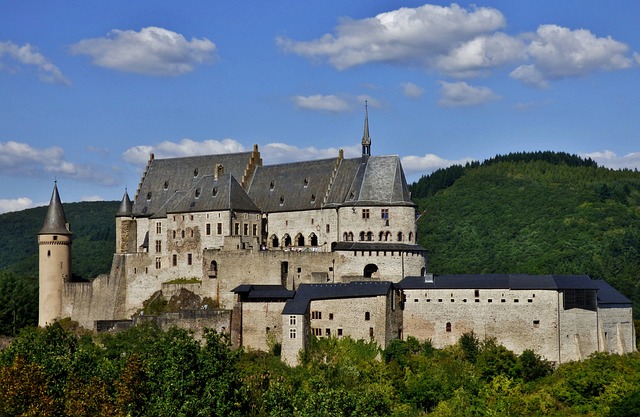
The Castle of Clervaux is a historical landmark located in the northern part of Luxembourg. The castle dates back to the 12th century and has served as a strategic stronghold for various ruling families throughout history. Today, it is a popular tourist destination that offers visitors a glimpse into the region’s rich history and cultural heritage. One of the castle’s main attractions is the Museum of the Battle of the Bulge, which showcases artifacts and exhibits related to the Ardennes Offensive during World War II. The museum is a must-see for history buffs and offers a fascinating insight into one of the most significant battles of the war.
The castle also houses a photography museum, which is home to an extensive collection of photographs from around the world. The exhibitions change regularly, ensuring that there is always something new and interesting to see. In addition to the museums, the Castle of Clervaux also boasts beautiful gardens and stunning panoramic views of the surrounding countryside. Visitors can take a stroll through the gardens or simply sit and enjoy the tranquil surroundings.
Casemates du Bock
Casemates du Bock is a must-visit attraction in Luxembourg. It is a network of tunnels and fortifications built into the Bock promontory, overlooking the Alzette River valley. The casemates were originally built in the 17th century as part of the city’s fortifications and were used as a refuge for soldiers and citizens during times of war. During the 18th century, the casemates were expanded and extended to cover a distance of 23 km, making it one of the largest underground fortresses in the world.
Today, visitors can explore the casemates and discover their rich history through guided tours or self-guided visits. The tunnels are dimly lit and narrow in some places, adding to the atmosphere of the visit. Some of the highlights of the tour include the gunpowder room, the well shaft, and the underground galleries. The casemates offer stunning views of the city and the surrounding valley, making it a perfect spot for photography enthusiasts. Visiting the Casemates du Bock is a great way to learn about the history of Luxembourg and its important role in the defence of the city. It is a fascinating and unique attraction that should not be missed.
Grand Ducal Palace
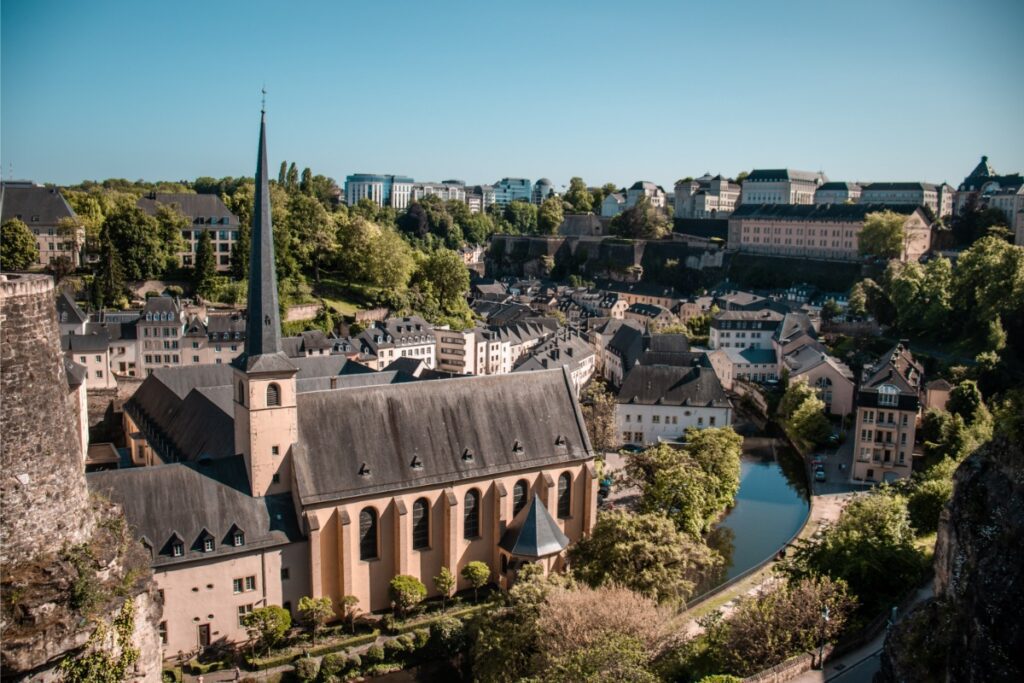
The Grand Ducal Palace is one of the most famous and visited landmarks in Luxembourg. The palace is located in the heart of the city of Luxembourg and is the official residence of the Grand Duke of Luxembourg. The palace was built in the 16th century and has been the residence of the Grand Duke since the 19th century.
The palace is open to visitors during the summer months and offers tours of the staterooms, the Grand Duke’s private chambers, and the palace gardens. The palace is known for its stunning architecture and interior decoration, including works of art by famous artists such as Rubens, Veronese, and Van Dyck. A visit to the Grand Ducal Palace is a must-see for any visitor to Luxembourg.

Notre-Dame Cathedral
The Notre Dame Cathedral in Luxembourg City is a stunning example of Gothic architecture, located in the heart of the city’s historic center. It was originally built in the early 17th century, but underwent several renovations and additions over the centuries, giving it its current appearance. The intricate facade features a beautiful rose window and several statues, while the interior boasts impressive stained glass windows, intricate stonework, and a stunning organ. The cathedral also houses several important religious relics, including the shrine of St. Willibrord, the patron saint of Luxembourg.
Visitors can take a guided tour of the cathedral to learn more about its history and significance or attend one of the many religious services held here throughout the year. Whether you’re a history buff, an architecture enthusiast, or simply looking for a peaceful moment of reflection, the Notre Dame Cathedral is a must-visit destination in Luxembourg City.
Adolphe Bridge
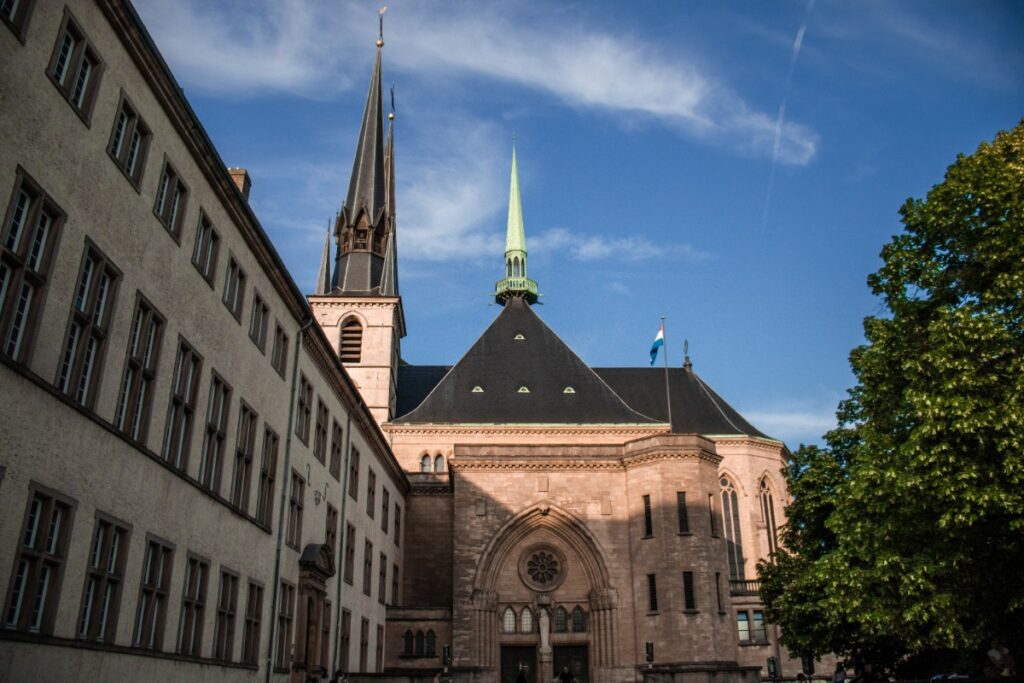
Αdolphe Bridge, also known as the New Bridge, is a famous landmark in Luxembourg City that spans across the Pétrusse River. It was built between 1900 and 1903 and named after Grand Duke Adolphe of Luxembourg. The bridge is an architectural masterpiece and was once the largest stone arch bridge in the world. Today, the Adolphe Bridge is not only an important transportation route but also a popular tourist attraction that provides breathtaking views of the city. Visitors can take a walk on the pedestrian path or enjoy a bike ride across the bridge. The bridge also features a panoramic viewpoint, which offers stunning views of the Pétrusse Valley and the historic district of Grund.
The Adolphe Bridge has a rich history and played a significant role in World War II. In 1940, the bridge was destroyed by the retreating French army to prevent the German army from advancing into Luxembourg City. It was rebuilt after the war and has been restored and renovated several times since then.

Luxembourg City History Museum
The Luxembourg City History Museum, also known as the Musée d’Histoire de la Ville de Luxembourg, is located in the heart of Luxembourg City’s old town. The museum offers a fascinating insight into the history of the city, dating back to its origins as a Roman settlement. Visitors can explore a wide range of exhibits, from artifacts and objects from the Middle Ages to modern-day Luxembourg.
The museum also features interactive displays and multimedia exhibits, bringing the city’s past to life dynamically and engagingly. Highlights of the museum include the impressive archaeological collections, which showcase the Roman and medieval history of the city, and the interactive exhibit on the Siege of Luxembourg, which allows visitors to experience the city’s defence against the Prussians in 1794. The museum is a must-see for anyone interested in the history and culture of Luxembourg City.
Moselle Wine Region
The Moselle Wine Region in Luxembourg is known for its picturesque vineyards and the production of some of the finest wines in the country. The region spans over 42 km along the Moselle River and is home to over 42 wine-growing villages. The vineyards are primarily planted with the Riesling grape variety, which is known for its crisp acidity, minerality, and fruit-forward character.
Visitors can take a scenic drive or bike ride along the Moselle River, stopping at various wineries to taste the region’s wines. Wine tastings and cellar tours are available at many of the vineyards, offering visitors a chance to learn about the wine-making process and sample some of the best wines produced in the region.
The Moselle Wine Region is also home to several wine festivals throughout the year, such as the Grevenmacher Wine Festival, which takes place in September and features live music, food stalls, and wine tastings. The region’s charming villages and stunning scenery make it a popular destination for wine enthusiasts and travellers looking for a unique experience in Luxembourg.
Mullerthal Trail
The Mullerthal Trail is a popular hiking trail in Luxembourg that spans over 112 kilometers and is divided into three main routes: the Lee Trail, the Eislek Trail, and the Mullerthal Trail. The trail takes hikers through the beautiful Luxembourg countryside, featuring stunning rock formations, enchanting forests, and picturesque streams.
The Mullerthal Trail is suitable for hikers of all levels, with each route offering varying levels of difficulty. Along the way, hikers can stop at charming villages and towns, such as Echternach and Berdorf, to take a break, grab a bite to eat, and admire the local architecture. The trail is well-marked with signposts and maps, and there are several accommodation options available along the way for those who want to turn their hike into a multi-day adventure. The Mullerthal Trail is a must-visit destination for nature lovers and hikers alike.
Luxembourg American Cemetery
The Luxembourg American Cemetery is a memorial site dedicated to American soldiers who lost their lives during World War II. Located in Hamm, a suburb of Luxembourg City, the cemetery covers 50.5 acres and contains the remains of 5,076 soldiers. The site was established on December 29, 1944, and was designed by the American Battle Monuments Commission.
The cemetery is the final resting place of General George S. Patton, one of the most celebrated military figures of the war. The grounds are meticulously maintained and provide a peaceful and reflective space for visitors to pay their respects to those who made the ultimate sacrifice. The cemetery is open daily to the public and offers guided tours for visitors who wish to learn more about the history and significance of the site.
Place d’Armes
Place d’Armes is a historic square located in the heart of Luxembourg City. It is a popular gathering spot for both tourists and locals, featuring several restaurants, cafes, and bars. The square dates back to the 17th century when it was used as a parade ground for soldiers.
Today, it is a hub for social and cultural events, such as concerts and festivals, and it serves as a gateway to many of the city’s other attractions, including the Grand Ducal Palace and the Notre Dame Cathedral. The Place d’Armes is surrounded by beautiful architecture, including the 18th-century City Hall, making it a must-see destination for anyone visiting Luxembourg City.

The Pfaffenthal Panoramic Elevator
A remarkable glass elevator that provides a breathtaking panoramic view of the cityscape. Connecting the upper part of Luxembourg City with the Pfaffenthal district, this architectural marvel seamlessly integrates with its historic surroundings. Serving as both a means of transportation and a tourist attraction, the elevator offers convenient access to notable landmarks such as Fort Thüngen, Mudam, and the Philharmonie Luxembourg.
At the top, visitors can step onto an open-air platform and marvel at the stunning views of the city, bridges, and the picturesque Pétrusse Valley below. The Pfaffenthal Panoramic Elevator offers an enhanced experience, inviting locals and tourists alike to enjoy the captivating beauty of Luxembourg from a unique vantage point.

Food in Luxembourg
Luxembourg has a rich culinary tradition with influences from its neighboring countries, including France, Germany, and Belgium. One of the most famous national dishes is Judd mat Gaardebounen, which is a smoked pork collar served with boiled beans and potatoes. Another popular dish is Kniddelen, a type of dumpling made from flour, eggs, and potatoes, and often served with bacon and cream sauce.
Cheese lovers will appreciate the wide varieties of Luxembourgish cheese, including the soft, creamy Kachkéis and the harder, nutty Rieslingspaschtéit. For dessert, try the famous Luxembourgish pastry called Gromperekichelcher, which are crispy potato fritters served with apple sauce. Other sweet treats include Quetschentaart, a plum tart, and Bretzelsonndegkiechelcher, a type of pretzel-shaped pastry.
In addition to these traditional dishes, Luxembourg has a vibrant food scene with many international options, including Italian, Asian, and Middle Eastern cuisine. Visitors can also sample local wines from the Moselle Valley region, such as Riesling and Pinot Gris.
Where to eat & drink
Mosconi
Mosconi is a Michelin-starred restaurant located in the city of Luxembourg. The restaurant is run by Chef Ilario Mosconi, who creates a menu of contemporary Italian cuisine using fresh, seasonal ingredients. The menu changes regularly, but you can expect dishes such as risotto with wild mushrooms, sea bass with artichokes and olives, and tiramisu for dessert. The wine list at Mosconi is extensive, with a focus on Italian wines to complement the cuisine. The restaurant has an elegant, modern decor, with comfortable seating and attentive service. Mosconi is a popular choice for a special occasion or a romantic evening out.
Chiggeri
Chiggeri is a popular restaurant located in the heart of Luxembourg City. This elegant restaurant offers a menu of seasonal and locally sourced ingredients, with a focus on French cuisine. The atmosphere is cozy and intimate, with exposed brick walls, low lighting, and an extensive wine list. Some of the standout dishes include the scallops with celeriac puree, the beef tartare with truffle oil, and the duck breast with orange sauce. The restaurant also offers a prix fixe lunch menu, making it a great option for a midday meal. Chiggeri is known for its exceptional service and attention to detail, making it a top choice for a special night out or a romantic dinner.
Chocolate House Nathalie Bonn
Chocolate House Nathalie Bonn is a charming and cozy spot located in the heart of Luxembourg City. This chocolate shop and tea room offers an impressive selection of artisanal chocolates, pastries, and hot beverages, all made with high-quality ingredients. The owner and chocolatier, Nathalie Bonn, is passionate about her craft and has won numerous awards for her creations. Visitors can indulge in a delicious hot chocolate or coffee while admiring the beautifully handcrafted chocolates on display. The shop also offers chocolate-making workshops and private tastings, making it a must-visit destination for any chocolate lover visiting Luxembourg.
Um Plateau
“Um Plateau” is a unique and charming restaurant located in the heart of Luxembourg City. The restaurant is known for its beautiful setting, warm and welcoming atmosphere, and, of course, its delicious food. The menu is inspired by traditional Luxembourgish cuisine, with a modern twist. Some of the must-try dishes include Judd mat Gaardebounen (smoked pork collar with green beans), Bouneschlupp (green bean soup), and Gromperekichelcher (potato pancakes). The restaurant also has a great selection of local wines and beers, making it the perfect spot to try some of the country’s best drinks. With friendly service, reasonable prices, and an unbeatable location, “Um Plateau” is definitely worth a visit for anyone looking to experience the best of Luxembourgish cuisine.
La Table du Pain
La Table du Pain is a charming bakery and cafe located in the heart of Luxembourg City. This bakery is well-known for its freshly baked bread, pastries, and delicious sandwiches, making it the perfect stop for breakfast or lunch. La Table du Pain has a wide selection of baked goods, including croissants, baguettes, pain au chocolat, and much more. They also offer a variety of savory items like quiches, pizzas, and sandwiches. The cafe has a cozy atmosphere, with comfortable seating both indoors and outdoors. The staff is friendly and accommodating, making the overall experience enjoyable. Whether you’re a local or a tourist, La Table du Pain is a must-visit spot for anyone who loves freshly baked goods and a relaxing atmosphere.
Luxembourg Travel Guide FAQ — Everything you need to know
Yes, all second-class national trains, buses, and trams have been completely free since March 1, 2020, making Luxembourg the first country in the world with free nationwide public transport. This means every day trip to Vianden Castle, Echternach, the Mullerthal Trail, and the Moselle Valley costs nothing in transport. Only first-class train upgrades and international border crossings carry a fee.
Around €10 adults / ~€5 students, seniors, and children. Audio guide: +€2 (recommended). Free with the Luxembourg Card. Getting to Vianden by national bus from Luxembourg City takes ~1 hour and is free.
Around €8–10 adults / ~€5 children (4–12) and seniors. Open seasonally from March/April to October/November, only closed in winter. Free with Luxembourg Card.
Yes, for 2+ paid attractions. The 1-day card (~€13) covers Vianden Castle (€10) + Bock Casemates (€8–10) = already at card value. Any additional museum or attraction is a bonus. Free hack: most national museums are free on the first Sunday of every month. If visiting on that day, skip the card.
Luxembourg has three official languages: Luxembourgish, French, and German. In practice, most Luxembourgers speak all three plus English. English is widely spoken in tourist areas, and communication is easy for international visitors.