As travel bloggers are always on the lookout for our next adventure, our family was eager to explore the vibrant city of Brussels. Known as the capital of Belgium and the European Union, Brussels boasts a rich history, diverse culture, and mouth-watering cuisine.
But what really drew us to this city was its reputation as a family-friendly destination, with plenty of activities and attractions for both kids and adults. From waffles and chocolate to whimsical street art and enchanting parks, Brussels has something for everyone. Join us as we share our journey through this enchanting city and discover all the wonderful things Brussels has to offer.
| Country | Belgium |
| Population | ~1.2 million (metro area) |
| Official languages | French & Dutch (bilingual capital) — English widely spoken |
| Currency | Euro (€) |
| Entry (EU/Greeks) | ✅ ID card sufficient |
| Entry (US/Canada/Australia) | ✅ No visa — 90 days Schengen |
| Grand Place | Free — UNESCO World Heritage (1998) |
| Manneken Pis | Free to view |
| Atomium | ~€18 adults — open 10 am–6 pm, book online |
| Royal Museums of Fine Arts | ~€15 combined / Free first Wed pm + 1st Sunday |
| Magritte Museum (Place Royale) | ~€15 / Free first Wed pm + 1st Sunday |
| Comic Strip Route | Free — 50+ murals across the city |
| Parliamentarium (EU) | Free |
| STIB single ticket | €2.40 contactless/daily cap €8.50 |
| Brussels Card 24h | ~€41 / +€8 unlimited transport |
| Hostel dorm | ~€25–40/night |
| Mid-range hotel | ~€80–150/night |
| Best time | Apr–Jun & Sep–Oct |
| Flights | 👉 Skyscanner |
| Accommodation | 👉 Booking.com — Brussels |
| Tours & activities | 👉 GetYourGuide — Brussels |
| eSIM Belgium | 👉 Airalo |
Transportation
Transfer from the airport
Transportation and airport transfer in Brussels is quite easy and convenient. Brussels Airport is the main international airport serving the city and is located about 12km northeast of the city center. To get from the airport to the city center, travelers have several options.
Taxi: The most convenient and hassle-free option is to take a taxi. Taxis are available outside the airport’s arrivals area, and the journey takes around 20-30 minutes depending on traffic. The fare is around €40-€50, but it may vary depending on the time of day and the amount of luggage.
Train: Another option is to take the train. The airport is connected to the city center via a direct train service, which departs from the airport’s railway station located in the basement of the terminal. The journey takes around 20-25 minutes, and the fare is approximately €9. Tickets can be purchased from the ticket machines at the airport or at the railway station.
Bus: If you’re looking for a more budget-friendly option, there is also a bus service available. The airport is served by the De Lijn bus service, which provides connections to various destinations in Brussels and the surrounding area. The journey takes around 30-40 minutes, depending on the traffic, and the fare is approximately €4. Tickets can be purchased from the vending machines located near the bus stops.
Finally, private airport transfer services are available, which can be pre-booked online. These services offer a hassle-free and comfortable way to get from the airport to your hotel, and the price depends on the type of vehicle and the number of passengers.
The same means of transport are also available for transportation between Charleroi Airport and Brussels city.
Transportation within the city
Brussels has a well-developed public transportation system comprising metro, bus, and tram lines covering the city and its surroundings. The metro system, operated by STIB/MIVB, has four lines that connect the city center with its suburbs and other nearby towns. The metro runs from 5:30 am to midnight, with extended service on Fridays and Saturdays until 2:00 am. Tickets can be purchased at automated machines in stations or through the STIB/MIVB mobile app.
Bus: Buses are another option for getting around Brussels, with several lines covering the city and its outskirts. The bus service runs from 6:00 am to midnight, with some night buses operating on selected routes. Tickets can be purchased on board or through the STIB/MIVB mobile app.
Walk: For those who prefer to explore the city on foot, Brussels is a compact and walkable city. Many of the city’s main attractions, such as the Grand Place and the Manneken Pis, are located within walking distance of each other.
Bicycle: Bicycles are also a popular means of transportation in Brussels, with a bike-sharing system called Villo! available throughout the city. Users can rent a bike from one of the many Villo! stations located around the city, and return it to any other station when they are done. The cost of renting a bike is relatively inexpensive, and helmets are not required.
Car: For those who prefer to drive, car rental services are available throughout the city, with several major rental companies operating in Brussels. However, driving in Brussels can be challenging, especially during rush hour, and parking can be difficult to find and expensive. It is recommended to use public transportation or walk whenever possible.
Discover the Hidden Gem of Brussels: Urban Yard Hotel.
What to do in Brussels
Explore the Grand Place
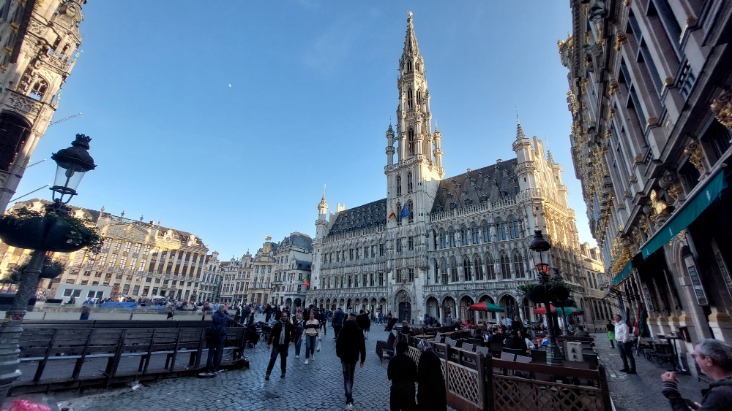
The Grand Place is a historic market square in the center of Brussels, Belgium. It is surrounded by beautiful and ornate buildings from the 17th century, including the Town Hall, the King’s House, and the Guildhalls of the various trades that once dominated the city’s commerce. The Grand Place is a UNESCO World Heritage Site and is considered one of the most beautiful squares in Europe. It is a must-visit destination for anyone travelling to Brussels, as it is the heart of the city and the site of many cultural events and festivals throughout the year.
Visitors can take a stroll through the square and admire the architecture and the many cafes and restaurants that line the streets. The square is also home to the famous Flower Carpet, a biennial event where over 600,000 flowers are arranged into a beautiful and intricate design that covers the entire square. For those interested in history and culture, there are several museums and exhibitions located around the Grand Place. The Brussels City Museum, located in the King’s House, provides an in-depth look at the city’s history and cultural heritage, while the Museum of the City of Brussels, located in the Town Hall, offers a fascinating look at the city’s political and social history.
Visit the Atomium
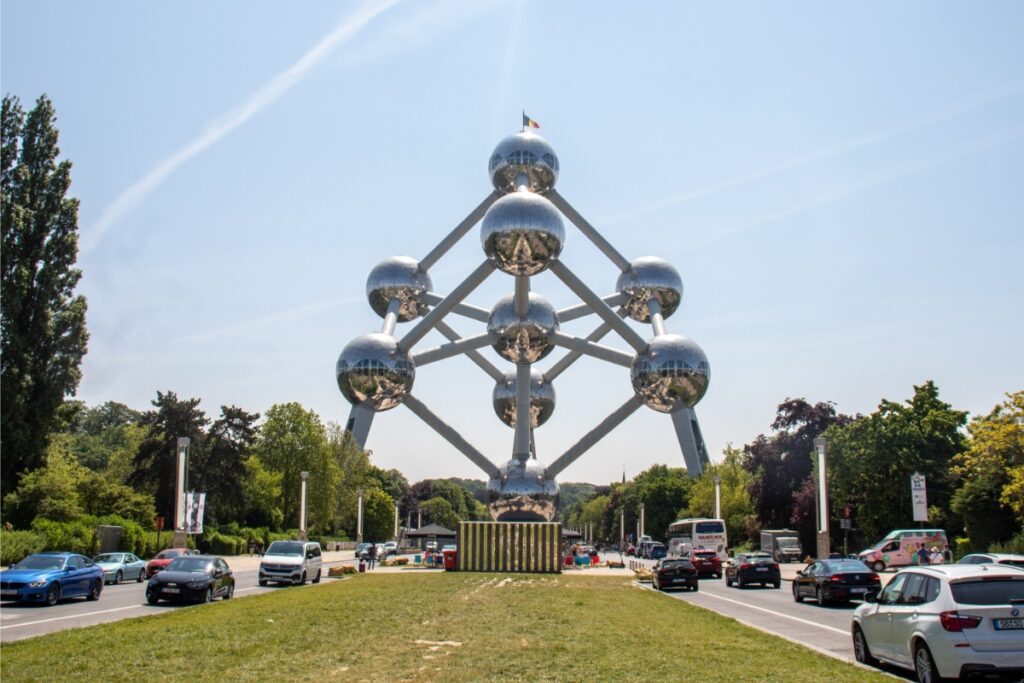
The Atomium is one of the most iconic landmarks in Brussels and a must-visit attraction. It was built in 1958 for the Brussels World Expo and was designed to represent an iron crystal magnified 165 billion times. The Atomium stands 102 meters tall and offers stunning panoramic views of the city. Inside, visitors can explore the different spheres that make up the Atomium. The uppermost sphere offers a breathtaking 360-degree view of Brussels and its surroundings. There is also a restaurant where you can dine while enjoying the view.
One of the most popular exhibits in the Atomium is the permanent exhibition on the history of the building and its role in the 1958 Expo. Visitors can also learn about the science behind the Atomium and its significance as a symbol of progress and modernity. The Atomium is located in the north of Brussels and is easily accessible by metro or tram. It is open every day of the year except for January 1st and December 24th and 25th.
Tour the European Parliament
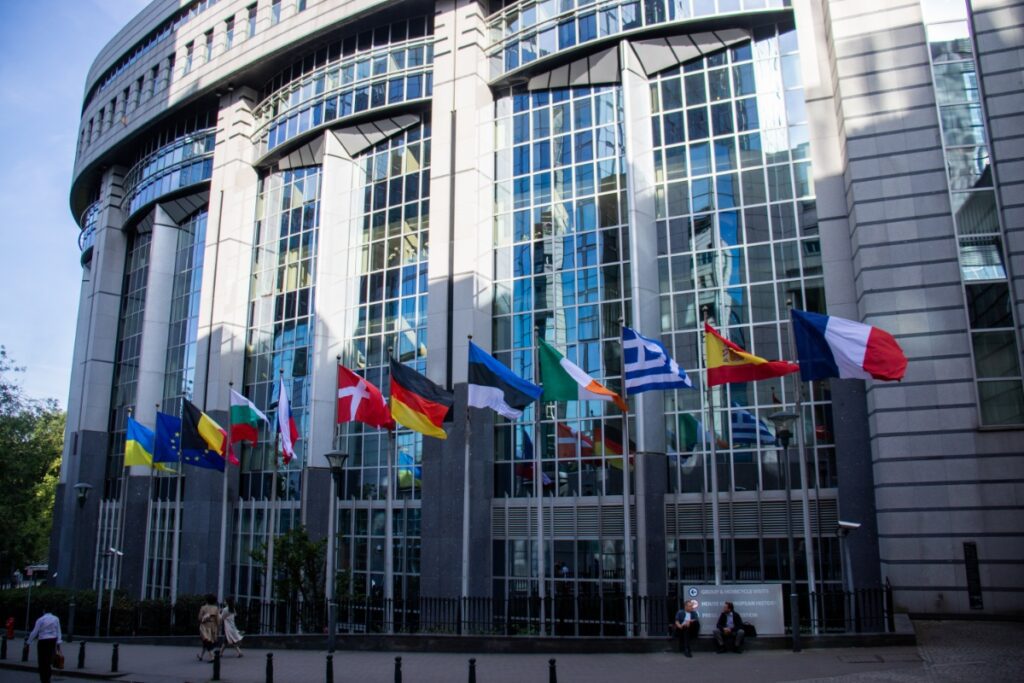
The European Parliament is one of the three main institutions of the European Union, along with the European Commission and the Council of the European Union. It is located in Brussels, and visitors can take a guided tour to learn more about the institution and how it works.
The tour of the European Parliament typically lasts around 90 minutes and includes visits to the hemicycle (the main meeting room of the Parliament), the Louise Weiss building, and the Parlamentarium (a museum of the history and workings of the Parliament). Visitors can also learn about the different political groups in the Parliament and the roles of its members. The tours are free of charge, but booking is required. Visitors can book online or by calling the Parliament’s visitor centre. It is important to note that visitors must bring a valid form of identification, such as a passport, to enter the Parliament.
Indulge in Belgian Chocolate
Belgian chocolate is renowned around the world for its quality and taste. Visitors to Brussels can indulge in the vast array of chocolate shops and chocolatiers throughout the city. Some of the most famous chocolate shops include Neuhaus, Godiva, Leonidas, and Pierre Marcolini.
Neuhaus, located in the historic Royal Galleries, was founded in 1857 and is credited with inventing the praline, a chocolate shell with a soft, creamy filling. Godiva, founded in 1926, is known for its luxurious and decadent chocolate creations. Leonidas, founded in 1913, is a popular chain with over 1,400 stores worldwide, and Pierre Marcolini is known for using only the finest ingredients and creating unique flavor combinations. Visitors can take a chocolate-making workshop to learn about the process of making chocolate, or simply enjoy a hot chocolate or sample the wide varieties of chocolate on offer. Some popular areas for chocolate shopping include the Sablon and Marolles neighborhoods.
Discover the Royal Palace of Brussels
The Royal Palace of Brussels is the official palace of the King and Queen of the Belgians. It is located in the heart of Brussels, close to the famous Parc de Bruxelles and the Belgian Parliament. The palace is a symbol of Belgian monarchy and architecture, and it is open for visitors during the summer months. Visitors can admire the palace’s impressive façade, which features a neoclassical style with a grand staircase leading up to the entrance. Inside, visitors can explore the royal apartments, which include the Throne Room, the White Room, and the Goya Room, among others. The palace also hosts several exhibitions and events throughout the year, including concerts, fashion shows, and art exhibits.
One of the highlights of visiting the Royal Palace of Brussels is the opportunity to see the famous Balcony of the King and Queen, where members of the royal family appear during official events and celebrations. Visitors can also witness the Changing of the Guard ceremony, which takes place every day in front of the palace. Overall, a visit to the Royal Palace of Brussels is a must-do for those interested in history, architecture, and the Belgian monarchy. It offers a unique glimpse into the world of Belgian royalty and provides an unforgettable experience for visitors of all ages.
Wander through the Museums of Fine Arts of Belgium
The Museums of Fine Arts of Belgium is a complex of four different museums located in Brussels that showcase an impressive collection of artworks. The collection includes art from Flemish primitives, modern Belgian art, and international artists such as Rubens, Van Gogh, and Magritte. The Old Masters Museum is dedicated to Flemish art from the 15th to the 18th century, and features works by famous artists such as Bruegel the Elder, Rubens, and Van Dyck. The modern and contemporary art museum, housed in the same building as the Old Masters Museum, features works by Belgian and international artists such as James Ensor, Paul Delvaux, and René Magritte.
The Musée Fin-de-Siècle is dedicated to the art from the end of the 19th century and the beginning of the 20th century, featuring the works of the Symbolists, Art Nouveau, and Art Deco movements. The Magritte Museum is a separate museum dedicated to the works of René Magritte, one of Belgium’s most famous artists. Art lovers will enjoy the vast collection of artworks on display at the Museums of Fine Arts of Belgium, which provides a great overview of Belgium’s rich artistic heritage.
Check out the Belgian Comic Strip Center
The Belgian Comic Strip Center (Centre Belge de la Bande Dessinée) is a must-visit for comic book enthusiasts and anyone interested in Belgian pop culture. Located in a beautifully restored Art Nouveau building, the center houses a vast collection of original comic book art, books, and related items, including famous Belgian characters such as Tintin, Spirou, and the Smurfs. Visitors can explore the history of Belgian comics, learn about the creative process behind comic book production, and even try their hand at drawing in the center’s workshop space. The museum also features temporary exhibitions on various comic book themes and artists.
The highlight of the visit is undoubtedly the permanent exhibition, which showcases the evolution of Belgian comics through original drawings, sketches, and comics pages. Visitors can see the work of famous Belgian comic book artists such as Hergé, Franquin, and Peyo, and learn about the unique cultural significance of Belgian comic book art. The Belgian Comic Strip Center is open every day except Monday and is located in the heart of Brussels, near the Grand Place. Admission fees vary depending on age and group size, and audio guides are available in several languages.

Stroll through the Cinquantenaire Park
Cinquantenaire Park is a popular park located in the heart of Brussels. It is known for its beautiful green spaces, stunning architecture, and numerous attractions. The park was created in 1880 for the 50th anniversary of Belgian independence, and it has been a favorite spot for locals and tourists alike ever since. One of the most notable features of the park is the Triumphal Arch, which is a magnificent monument that was built in 1905 to commemorate the 50th anniversary of the Belgian Revolution. It is made of white stone and stands 50 meters high, making it one of the most iconic landmarks in Brussels.
Aside from the arch, there are several other attractions in the park, including the Royal Museum of the Armed Forces and Military History, which houses a vast collection of military memorabilia and artifacts. The Autoworld Museum, which features a collection of classic and vintage cars, is also located in the park. Visitors to the park can also enjoy a stroll through the gardens, have a picnic on the lawns, or simply relax and take in the beautiful surroundings. The park is a great place to spend a sunny day and is easily accessible via public transportation.

Enjoy a Belgian Beer Tasting
Belgium is famous for its wide variety of beers, and Brussels offers plenty of opportunities to taste them. From traditional Trappist beers brewed by monks to fruity lambics, there’s something for everyone’s taste. One of the best places to experience Belgian beer culture is the Delirium Café, which holds the Guinness World Record for offering the most beers on tap. With over 3,000 different beers available, you’ll be spoiled for choice. The café is located in the city center and has a cozy, traditional atmosphere.
Another great spot for beer tasting is the Moeder Lambic Fontainas, which offers a selection of over 400 different beers, both local and international. The bar has a modern, trendy vibe and is popular among locals and tourists alike. If you’re interested in learning more about the brewing process and the history of Belgian beer, you can take a guided beer tour. Several companies offer tours that take you to various breweries and bars around Brussels, with knowledgeable guides providing information and recommendations along the way.
Experience the Manneken Pis
The Manneken Pis is a famous landmark in Brussels and is a small bronze statue of a little boy peeing into a fountain. The statue is only 61 cm tall and is located in the heart of the city. Despite its small size, the Manneken Pis is an important symbol of the city and has become a major tourist attraction. The origins of the statue are somewhat unclear, but it is thought to date back to the 15th century. According to legend, the statue was inspired by a young boy who urinated on a burning fuse, thus preventing an explosion that could have destroyed the city. Others believe that the statue was created to honor the bravery of a young boy who urinated on enemy soldiers during a siege.
Regardless of its origins, the statue has become an iconic symbol of the city and has been dressed up in a variety of costumes and outfits throughout the years. It is common for visitors to bring outfits for the statue to wear, which are then added to the collection. While the statue itself may not take long to see, it is worth taking the time to explore the surrounding area and appreciate the architecture and atmosphere of the city. The Manneken Pis is located in a vibrant and bustling part of Brussels, with plenty of shops, restaurants, and cafes to explore.

Choco-Story Brussels
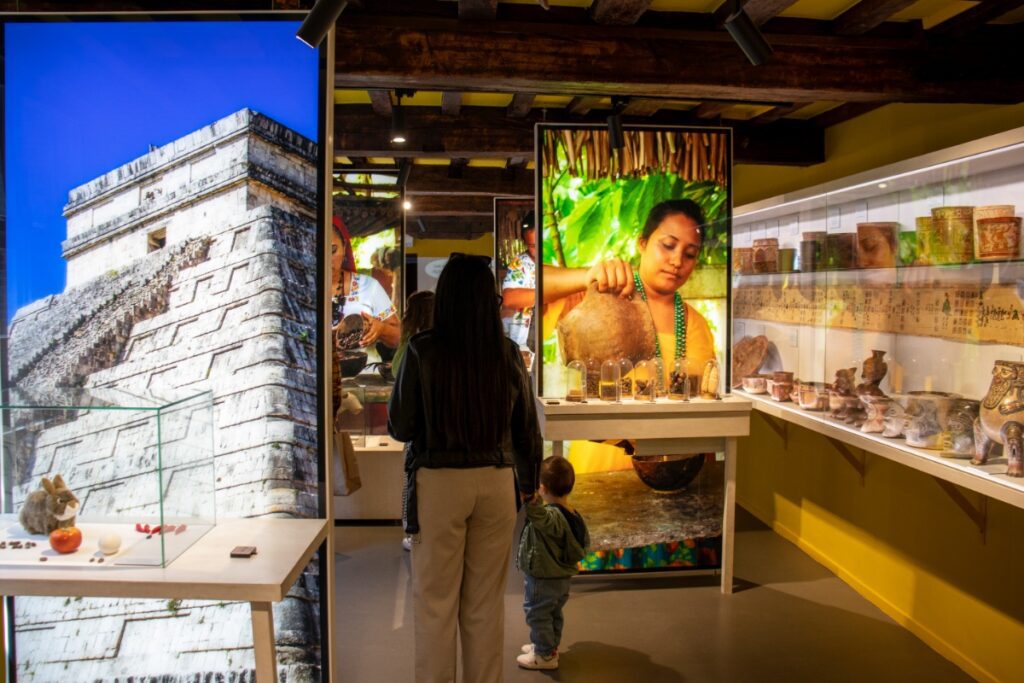
Choco-Story Brussels is a popular chocolate museum located in the heart of Brussels, near the famous Grand Place. It is dedicated to the history and production of chocolate and offers a range of interactive exhibits, including demonstrations on how chocolate is made, chocolate tastings, and workshops where visitors can make their own chocolate creations.
The museum is housed in a beautiful historic building and is spread across several floors. Visitors can explore the different rooms and learn about the history of chocolate, from its origins in ancient Mesoamerica to the present day. There are also exhibits on the social and cultural impact of chocolate and its role in Belgian history. Choco-Story Brussels is highly rated by visitors, with many praising the informative exhibits, knowledgeable staff, and delicious chocolate tastings. The entrance fee is reasonable and includes a guided tour of the museum and a tasting of some of the finest Belgian chocolates.
Day Trips from Brussels
Visit Ghent: A beautiful city located about 30 minutes away from Brussels by train. Explore its medieval architecture, canals, and enjoy delicious Belgian food.
Visit Bruges: Another picturesque city that can be reached by train from Brussels in just over an hour. It is known for its cobbled streets, canals, and chocolate shops.
Luxembourg City: Although it’s a bit further away (about a 4-5 hour train ride), Luxembourg City is definitely worth a visit. It’s a beautiful city with a rich history and stunning views.
Best Places to Eat in Brussels
Chez Léon is a famous restaurant in Brussels that has been serving traditional Belgian cuisine since 1893. It is located near the Grand Place, making it a convenient spot for tourists to visit. The restaurant is best known for its mussels and fries, which are a staple dish in Belgium. The mussels are cooked in a variety of sauces, including white wine, garlic, and cream, and are served in a large pot with a side of crispy fries.
Apart from mussels and fries, Chez Léon also offers other Belgian classics such as beef stew, vol-au-vent, and carbonades flamandes. The restaurant has a cozy, traditional interior with wood-panelled walls and vintage décor, creating a charming atmosphere for diners. While Chez Léon is a popular spot for tourists, it has also become a local favorite over the years, serving quality food at reasonable prices. The restaurant offers a variety of set menus for lunch and dinner, which are great value for money.
La Belle Maraichère is a traditional restaurant located in the heart of Brussels. This restaurant is known for its elegant atmosphere, warm hospitality, and delicious cuisine. It is a perfect place for a romantic dinner, family gathering, or a business meeting. The restaurant serves traditional Belgian and French cuisine, with an emphasis on fresh, seasonal ingredients. Their specialties include seafood, game, and traditional Belgian dishes such as mussels and fries. They also offer a range of vegetarian and gluten-free options.
The wine list at La Belle Maraichère is extensive, featuring a selection of Belgian and French wines, as well as wines from around the world. The knowledgeable staff can help you choose the perfect wine to complement your meal. The restaurant has a cozy, intimate atmosphere, with classic décor and soft lighting. The outdoor terrace is a great place to dine al fresco on warm summer evenings.
Nüetnigenough is a cozy and traditional Belgian restaurant located in the heart of Brussels. The name of the restaurant, which means “just enough” in the Brussels dialect, reflects the concept of serving dishes made with fresh and seasonal ingredients in just the right amount.
The menu at Nüetnigenough features a variety of Belgian classics, such as stoemp (mashed potatoes with vegetables), vol-au-vent (puff pastry filled with chicken and mushrooms), and mussels with fries. They also offer a selection of Belgian beers and wines to complement the food. The atmosphere at Nüetnigenough is warm and inviting, with wooden furniture and walls decorated with vintage posters and pictures. The service is friendly and attentive, and the prices are reasonable for the quality of the food.
Le Pain Quotidien is a bakery-restaurant chain with several locations in Brussels. It is known for its freshly baked bread, pastries, and organic ingredients. The atmosphere in Le Pain Quotidien is cozy and relaxed, with wooden tables and warm lighting.
The menu offers a variety of bread-based dishes, such as open-faced sandwiches, tartines, and quiches. They also have a selection of soups, salads, and cheese plates. In addition to its food menu, Le Pain Quotidien also offers a range of beverages, including coffee, tea, and fresh juices. One of the unique features of Le Pain Quotidien is its communal table, where guests can sit and enjoy their meal with others. This is a great way to meet new people and make new friends.
When to go
Brussels is a year-round destination, although the best times to visit are late spring (April/May) and early autumn (September/October). During these months, the weather is mild, the crowds are fewer, and the prices are lower. Temperatures range from 10-20°C (50-68°F) during these seasons.
Summer can be hot and humid, with temperatures reaching over 25°C (77°F). However, it is also the peak tourist season, and the city can be overcrowded, with long queues at attractions and higher prices.
Winter is generally cool and damp, with occasional snowfall. Daily maximum temperatures range from 5-10°C (41-50°F). However, the city is less crowded during this season, and there are many festive events, including Christmas markets.
Overall, Brussels can be visited at any time of the year, depending on what the traveller is looking for.
Brussels Travel Guide FAQ — Everything you need to know
Yes, Grand Place is completely free to visit at any time. It is a UNESCO World Heritage Site since 1998 and widely considered the most beautiful square in Europe. Most magical early morning (before 8am) or at night when illuminated. The Town Hall interior is ticketed separately (~€6).
Around €18 adults. Open daily 10 am–6 pm (last entry 5:30pm). Includes access to all 5 spheres, panoramic top, permanent exhibition and the adjacent Design Museum Brussels (free with ticket). Free with the Brussels Card (Atomium option).
Not normally, ~€15 for the Magritte Museum at Place Royale (or ~€15 for the combined Royal Museums ticket including Old Masters + Fin-de-Siècle + Magritte). However, it is free on first Wednesday afternoons (from 1pm) and first Sundays of the month, one of Brussels’ best money-saving opportunities.
A museum + transport pass: 24h ~€41 / 48h ~€49 / 72h ~€57 (with Atomium), plus optional unlimited STIB transport (+€8/15/19). Covers 49 museums including Atomium skip-the-line, Magritte Museum, Royal Museums, Musical Instruments Museum and many more. For a 2-day cultural visit, yes, clearly worthwhile.
Bruges (1 hour by train, ~€15) and Ghent (30 minutes, ~€9) are Belgium’s two other essential cities, easily the best day trips in Belgium.