For our latest adventure, celebrating my bachelor party with friends, we decided to explore the lively city of Dublin. Known for its rich history, vibrant culture, and friendly atmosphere, Dublin turned out to be an ideal choice for an unforgettable getaway.
Dublin offers a unique blend of tradition and modernity. Nestled on the East Coast, this dynamic city is famous for its warm hospitality and lively social scene. As we embarked on this trip, we anticipated a fantastic time filled with memorable experiences.
Stay tuned as we delve into the details of our Dublin adventure, providing valuable insights and recommendations to make your visit just as remarkable. From must-visit attractions to hidden gems, our Dublin journey promises to be an exciting exploration of this captivating city.
| Country | Ireland (EU member — not Schengen) |
| Population | ~1.4 million (Greater Dublin) |
| Language | English (Irish/Gaelic also official) |
| Currency | Euro (€) |
| Entry (EU/Greeks) | ✅ Passport recommended (ID card technically valid, but airlines often require a passport) |
| Entry (US/Canada/Australia) | ✅ No visa — 90 days |
| Book of Kells (Trinity) | €25 adult / €22 student & senior — book at visittrinity.ie |
| Kilmainham Gaol | ~€8–9 — guided tour, book online |
| National Museums | Free (National Museum, National Gallery) |
| Phoenix Park | Free entrance, and it’s the largest enclosed city park in Europe |
| Leap Card single bus | €1.55 (vs €2.65 cash) |
| Hostel dorm | ~€25–40/night |
| Mid-range guesthouse/hotel | ~€90–160/night |
| Best time | May–Sep (shoulder season’s best value) |
| Flights | 👉 Skyscanner |
| Accommodation | 👉 Booking.com — Dublin |
| Tours & activities | 👉 GetYourGuide — Dublin |
| Car rental (day trips) | 👉 Discovercars.com |
| eSIM Ireland | 👉 Airalo |
Transportation
Transfer from/to Airport
Dublin Airport is the primary international gateway to the vibrant city of Dublin, situated approximately 10 kilometers north of the city center. as we mentioned above. Travelers arriving at Dublin Airport have several transportation options for a seamless journey into the heart of the city.
Bus Services: Dublin offers a comprehensive network of buses connecting the airport to various parts of the city. Multiple bus routes operate regularly, providing an affordable and convenient mode of transportation. The travel time may vary based on the specific route and traffic conditions. Bus tickets can be purchased from the driver or authorized outlets.
Taxi Services: Taxis are readily available at the airport, offering direct transfers to Dublin’s city center. The journey typically takes around 20-30 minutes, depending on traffic. It’s advisable to confirm the fare with the driver before departure. For taxi reservations and fare information, refer to Welcome Pickups.
Airport Express Shuttle: Airport express shuttles operate between Dublin Airport and various locations within the city. These shuttles are a reliable option with convenient drop-off points in the city center. Check the shuttle schedule for timely and efficient transfers.
Private Transfers: For a personalized and comfortable journey, consider pre-booking private transfer services from the airport. These services cater to different group sizes and preferences, ensuring a hassle-free arrival at your destination.
Car Rental: Explore the flexibility of Dublin’s roadways by renting a car at the airport. This option is ideal for those who prefer the independence of self-driving and wish to explore the city and its surroundings at their own pace.
Transportation within Dublin
Dublin boasts a well-connected transportation network, offering diverse options for travelers to effortlessly navigate the city and its surroundings:
Dublin Bus: Explore the city with Dublin’s extensive bus network, covering various routes that connect key destinations. Conveniently purchase bus tickets onboard or utilize mobile apps for a seamless ticketing experience.
DART (Dublin Area Rapid Transit): For coastal and suburban exploration, the DART provides efficient train services along the coastline of Dublin. Enjoy scenic views and quick connections to seaside attractions.
Luas (Light Rail): Dublin’s modern light rail system, Luas, is an excellent way to travel within the city. With multiple lines serving different parts of Dublin, it offers a swift and comfortable mode of transportation.
Walking: Immerse yourself in Dublin’s vibrant atmosphere by walking through its pedestrian-friendly streets. Many of the city’s cultural and historical gems are easily accessible on foot, providing an enjoyable way to experience Dublin’s charm.
Biking: Join the growing trend of cycling in Dublin by renting a bike from various bike rental shops. Explore the city at your own pace, taking advantage of cycling lanes and paths that make it convenient and enjoyable for cyclists.
Car Rental: While driving within Dublin’s city center may pose challenges due to traffic and limited parking, renting a car becomes advantageous for exploring the scenic countryside and nearby attractions. Be mindful of parking regulations and fees in designated areas.
What to do in Dublin
Streets of Temple Bar
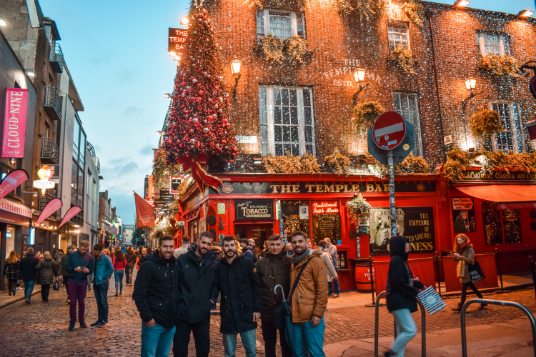
Embark on an enthralling journey through Dublin’s Temple Bar area, a vibrant enclave pulsating with energy and cultural richness. Begin your exploration at The Temple Bar, an institution synonymous with Dublin’s social fabric. Revel in the lively atmosphere as live music spills onto the streets, captivating passersby with traditional Irish tunes. Indulge in the convivial ambiance of this legendary pub, where every pint poured is a testament to Dublin’s spirited pub culture.
Wander through the narrow lanes adorned with colorful facades, and discover an array of eclectic shops and boutiques. From vintage finds to contemporary designs, Temple Bar’s streets offer a treasure trove for avid shoppers seeking unique mementos.
Experience the Temple Bar Food Market on Saturdays, a culinary haven where local vendors showcase fresh produce, artisanal goods, and delectable street food. Let the enticing aromas guide you to a gastronomic adventure that reflects the diversity of Dublin’s culinary scene. As daylight fades, Temple Bar transforms into a nightlife haven. Explore The Norseman or The Auld Dubliner, where the clinking of glasses and animated conversations create a symphony of merriment. Engage with the local crowd and savor a pint of Guinness, the quintessential Irish brew.
Discover the Meeting House Square, an open-air space hosting cultural events and festivals. The square becomes a canvas for creativity, hosting performances, screenings, and markets. Check the calendar for an impromptu cultural encounter during your visit. Conclude your Temple Bar exploration at the Gallery of Photography, an intimate space showcasing captivating visual narratives. Admire the work of local and international photographers, adding a visual layer to your Temple Bar experience.
Visit Trinity College and the Book of Kells
Commence your visit to Trinity College, an esteemed institution steeped in both academic prestige and cultural resonance. The historic campus, adorned with elegant Georgian structures, sets the stage for an enriching exploration.
Navigate toward the distinguished Campanile, an architectural landmark that stands tall amidst the scholarly surroundings. Meander through the cobblestone pathways, where centuries of intellectual endeavors have left an indelible mark on the ambiance. The focal point of your journey lies within the revered Old Library, home to the illustrious Book of Kells. This ancient manuscript, a pinnacle of medieval artistry, unfolds before your eyes with intricate illustrations and vibrant hues. The accompanying Long Room, with its towering shelves of venerable volumes, provides a poignant glimpse into Ireland’s literary legacy.
As you engage with the pages of the Book of Kells, the craftsmanship of bygone monks becomes a tangible connection to the past. The meticulous detailing of biblical narratives and artistic finesse speak volumes about the dedication encapsulated in this centuries-old masterpiece.
The Long Room, adorned with antique manuscripts and the iconic Brian Boru harp, exudes an atmosphere of erudite grandeur. Extend your sojourn to the tranquil Fellows’ Garden, a verdant refuge harmonizing with the academic buzz. Amidst manicured lawns and the gentle flow of the River Liffey, find repose in this serene enclave.

Stroll through Phoenix Park
An expansive sanctuary nestled in the heart of Dublin that seamlessly blends natural tranquility with historical allure. Initiate your journey at one of Europe’s largest city parks, where a myriad of experiences await.
Commence your stroll at the iconic Phoenix Monument, a symbol of endurance and renewal rising gracefully at the entrance. Meander along the winding pathways flanked by ancient trees, each one a witness to the park’s rich history. Encounter the herd of fallow deer that roam freely within the park, adding a touch of wildlife to your peaceful sojourn. As you amble through the open spaces, relish the opportunity to connect with nature, the verdant expanses providing a welcome escape from the urban bustle.
Discover the splendid Ashtown Castle, a medieval tower house nestled amidst the greenery. Immerse yourself in the historical ambiance, where the echoes of the past resonate in the architectural marvels that dot the landscape.
Experience the Guinness Storehouse
A quintessential Dublin destination that offers a multi-sensory exploration of Ireland’s iconic stout. Begin your experience at this cultural and historical hub located in the heart of the city. Commence your visit to the Atrium, where the Guinness legacy unfolds through engaging exhibits and interactive displays. Immerse yourself in the brewing process, from the raw ingredients to the artistry behind crafting the perfect pint of Guinness.
Ascend to the Gravity Bar, a panoramic haven perched atop the Storehouse, offering breathtaking views of Dublin’s skyline. Savor the culmination of your visit with a complimentary pint of Guinness, poured with precision as you enjoy the 360-degree vistas. Delve into the history of the brand at the Guinness Academy, where you can master the art of pouring the perfect pint. Engage with the passionate staff who share insights into the craftsmanship and legacy that define this world-renowned beverage.
Explore the advertising history of Guinness in the Advertising Gallery, where iconic campaigns come to life. From vintage posters to contemporary masterpieces, witness the evolution of Guinness storytelling over the years. Dine at the on-site restaurants, each offering a unique culinary journey infused with the flavors of Ireland. The Brewery Bar, Gilroy’s Restaurant, and Arthur’s Bar provide diverse settings to savor a delightful meal.
Explore Kilmainham Gaol
Uncover the profound history of Kilmainham Gaol, a poignant reminder of Ireland’s struggle for independence. As you traverse its chilling corridors and austere cells, you’ll be transported back to a time when this historic jail housed political prisoners and witnessed key events in Irish history.
The guided tours provide insight into the lives of those who were incarcerated here, the harsh conditions they endured, and the pivotal role the gaol played in Ireland’s fight for freedom.

St Patrick’s Cathedral
No visit to Dublin is complete without exploring the awe-inspiring St. Patrick’s Cathedral. Located in the heart of the city, this iconic cathedral is not just a place of worship but also a testament to Dublin’s rich history and architecture.
Marvel at the intricate Gothic design, stroll through the beautifully maintained gardens, and step inside to admire the stunning stained glass windows and impressive interior. St. Patrick’s Cathedral is not only a religious site but also a cultural and historical gem that provides a glimpse into Ireland’s past.
Make sure to check for any events or concerts happening at the cathedral during your visit, as it often hosts musical performances and cultural events that add an extra layer to the overall experience.
National Museum of Ireland
Located in the heart of Dublin, this museum houses a fascinating collection of artifacts that span thousands of years. Explore the Viking Age, admire the exquisite Celtic artistry, and marvel at iconic treasures such as the Ardagh Chalice and the Tara Brooch. The museum provides a captivating journey through Ireland’s past, making it a perfect destination for history enthusiasts and those seeking a deeper understanding of the country’s cultural evolution.
Dublin Castle and The Dubh Linn Gardens
Explore the historic Dublin Castle, a landmark that stands as a symbol of Ireland’s complex history. Nestled in the heart of the city, this castle has played a central role in Dublin’s development from medieval times to the present day.
Wander through the impressive State Apartments, where significant ceremonies and events take place. Don’t miss the beautiful Chapel Royal with its ornate interior. Discover the centuries-old history of Dublin Castle through engaging exhibits and guided tours.
Adjacent to Dublin Castle, find tranquility in The Dubh Linn Gardens. These well-maintained gardens provide a serene escape in the midst of the bustling city. Admire the formal landscaping, sculptures, and the symbolic Dubh Linn pool.

Hidden Gems in Dublin
Marsh’s Library
Step into the captivating world of Marsh’s Library, an architectural gem nestled in the heart of Dublin. This venerable institution, founded in 1701, welcomes you with its charming exterior, showcasing a unique blend of medieval and Renaissance influences.
Upon entering, marvel at the historic interior, where oak bookcases line the walls, adorned with centuries-old volumes. The atmosphere exudes a timeless charm, transporting you to an era when scholars and intellectuals sought knowledge within these hallowed halls. Explore the meticulously preserved collection of rare books and manuscripts, spanning diverse subjects and time periods. The library houses an array of treasures, including the first edition of Jonathan Swift’s “Gulliver’s Travels” and the Book of Common Prayer from 1662.
Finally, the tranquil courtyard, with its manicured lawns and elegant pathways, provides a serene escape in the midst of the bustling city.
The Little Museum of Dublin
A charming gem nestled in a Georgian townhouse on St. Stephen’s Green. This intimate museum offers a unique journey through the 20th century, celebrating the vibrant tapestry of Dublin’s history and culture.
As you step inside, the museum’s quirky exhibits and eclectic artifacts instantly capture your attention. Each room tells a different part of Dublin’s story, from the tumultuous events of the Easter Rising to the cultural revolutions that shaped the city. Marvel at the diverse collection of memorabilia, photographs, and personal items that highlight the city’s evolution. The museum’s approach is both informative and entertaining, providing a vivid narrative that resonates with locals and visitors alike.
The guided tours, led by enthusiastic and knowledgeable staff, add a personal touch to your experience. Engage with the stories behind each exhibit, gaining insights into the people and events that defined Dublin’s past.
Blessington Street Basin
Blessington Street Basin, located in the north inner city of Dublin, is a Victorian-era reservoir turned public park. Originally constructed in the 19th century to supply drinking water to the city, the basin has evolved into a tranquil green space.
The park features well-maintained gardens, walkways, and a water basin that provides a serene atmosphere for visitors. Encircled by trees, the basin reflects a sense of calm, creating an escape from the urban environment.
Home to various waterfowl, including swans and ducks, the basin contributes to the park’s natural charm. The presence of a bridge and a small island enhances the picturesque quality of the surroundings.
Sweny’s Pharmacy
A unique cultural landmark with historical significance. Known for its association with James Joyce’s novel “Ulysses,” Sweny’s has become a literary pilgrimage site and a cherished piece of Dublin’s literary heritage.
Established in 1853, Sweny’s has retained its original Victorian-era appearance, offering visitors a glimpse into Dublin’s past. The pharmacy has become a living museum, preserving the ambiance of the early 20th century and showcasing the traditional apothecary experience. While no longer a functioning pharmacy, Sweny’s has transformed into a volunteer-run space dedicated to Joyce enthusiasts and curious visitors. The friendly volunteers provide insights into the history of the pharmacy and its connection to “Ulysses.”
One of the notable features is the communal reading of Joyce’s works, creating a communal and immersive experience for literature enthusiasts. Sweny’s is also known for selling traditional handmade soaps, continuing a historical tradition that adds to the charm of the place.
Day Trips from Dublin
Exploring the surrounding areas of Dublin can offer diverse experiences. Here are some intriguing day trip options to consider:
Glendalough and Wicklow Mountains
Explore the serene beauty and rich history of Glendalough, nestled in the Wicklow Mountains. Founded by St. Kevin in the 6th century, the monastic settlement is adorned with well-preserved structures, including the iconic Round Tower and St. Kevin’s Church. The glacial valley offers enchanting lakes, surrounded by lush forests and hiking trails, making it a perfect destination for those seeking tranquility and a connection with Ireland’s ancient past.
Continue your journey through the Wicklow Mountains, known as the “Garden of Ireland,” and revel in the stunning landscapes. Rolling hills, expansive moors, and picturesque valleys define this region, providing an ideal backdrop for outdoor activities. Hikers can explore the Wicklow Way, while those seeking a scenic drive can venture through the Sally Gap. The Powerscourt Estate, with its splendid mansion and gardens, adds an extra layer of charm to this haven for nature lovers.

Howth
Perched on the northeastern edge of Dublin Bay, Howth is a charming fishing village that seamlessly blends maritime allure with natural beauty. The Cliff Path Loop walk provides an opportunity to immerse yourself in the stunning coastal scenery while enjoying refreshing sea breezes. Steeped in history, Howth boasts notable landmarks such as Howth Castle, a medieval fortress with lush gardens, and the Martello Tower perched on Howth Summit, providing a glimpse into the village’s defensive past.
Famous for its seafood, Howth’s harbor is dotted with seafood restaurants and fishmongers. Indulge in fresh catches of the day, including the renowned Howth lobster, while enjoying views of fishing boats bobbing in the harbor. Outdoor enthusiasts can explore the Howth Head Peninsula, home to a variety of hiking trails, including the Howth Cliff Walk. The Baily Lighthouse at the southeastern tip offers a rewarding endpoint with sweeping views.
Hop on a boat tour to Ireland’s Eye, a nearby island known for its seabird colonies and scenic landscapes. The boat ride provides a unique perspective of Howth from the water. Easily accessible from Dublin, Howth is a short DART (Dublin Area Rapid Transit) ride away. The village’s proximity to the city makes it an ideal day trip for locals and tourists alike.
Malahide Castle and Gardens
Perched gracefully along the scenic Dublin coastline, Malahide Castle and Gardens unfold a captivating tale of Ireland’s enduring history and natural splendor. With roots tracing back to the 12th century, the castle stands as a venerable witness to centuries of Irish heritage, showcasing well-preserved rooms adorned with period furnishings that transport visitors to bygone eras.
Surrounding the castle, the expansive Malahide Gardens, adorned with manicured lawns and vibrant flowerbeds, offer a picturesque retreat. Adjacent to the castle, the Talbot Botanic Gardens, established in the 1940s, invite exploration through themed areas, creating a serene haven for nature enthusiasts.
Beyond the castle walls, Malahide Village beckons with its charming streets and lively ambiance. The nearby Malahide Marina, lining the waterfront, provides a scenic backdrop for a stroll. The coastal setting of Malahide Castle and Gardens, overlooking the Irish Sea and Dublin Bay, enhances the overall experience, adding a touch of tranquility to the historical and horticultural wonders.
Kilkenny
Kilkenny exudes a timeless charm that seamlessly blends rich history with vibrant modernity. The city’s medieval roots are evident in its well-preserved landmarks, most notably the imposing Kilkenny Castle. Dating back to the 12th century, this iconic structure stands as a testament to Kilkenny’s historical significance and invites visitors to explore its splendid interiors and extensive parklands.
Wandering through Kilkenny’s cobbled streets reveals a tapestry of quaint shops, traditional pubs, and art galleries. The Kilkenny Design Centre, housed in historic stables, showcases Irish craftsmanship, while the bustling Kilkenny Market offers a taste of local flavors and artisanal delights.
The city’s cultural vibrancy extends to its numerous festivals, including the renowned Kilkenny Arts Festival and Cat Laughs Comedy Festival, attracting artists and performers from around the globe. Meanwhile, the medieval-inspired Kilkenny Castle hosts events and provides a picturesque backdrop for strolls along the River Nore.
For those seeking a deeper connection with Ireland’s past, St. Canice’s Cathedral and Round Tower offer a journey into ecclesiastical history, providing panoramic views of the city from its tower summit.

Newgrange and Boyne Valley
Embark on a captivating journey to Newgrange and the Boyne Valley, a UNESCO World Heritage site that unravels the ancient mysteries of Ireland’s past. Nestled within the Boyne Valley, Newgrange stands as a prehistoric marvel, captivating visitors with its Neolithic passage tomb dating back over 5,000 years. As you explore this iconic site, delve into the enigmatic stories engraved within its stones and marvel at the astronomical precision that unfolds during the winter solstice.
Venture beyond Newgrange to discover the archaeological wonders of Knowth and Dowth, where intricate carvings and ancient rituals offer profound insights into Ireland’s rich heritage. The Boyne Valley, often referred to as the “Valley of the Kings,” unveils a tapestry of history that spans millennia, featuring sacred ceremonial sites, medieval castles, and ancient ring forts. Immerse yourself in the panoramic landscapes, where each site tells a unique story, creating a timeless connection to Ireland’s ancient past.
Best Places to Eat & Drink in Dublin
Dublin boasts a vibrant culinary scene with a mix of traditional and modern establishments. Here are some of the best places to eat and drink in the city:
The Woollen Mills: Located near the Ha’penny Bridge, The Woollen Mills is a historic spot offering a cozy atmosphere. Enjoy traditional Irish dishes with a contemporary twist. The rooftop terrace provides stunning views of the city.
The Church: Dine in a unique setting at The Church, a converted church near Jervis Street. The restaurant serves a blend of Irish and international cuisine. Don’t miss the chance to enjoy a drink in the atmospheric surroundings of the converted nave.
Guinness Storehouse Gravity Bar: While primarily known for its iconic beer, the Guinness Storehouse Gravity Bar offers not only a pint with a view but also a selection of Irish dishes with a contemporary twist. The panoramic views of Dublin make it a unique dining experience.
The Old Spot: Experience modern Irish gastropub fare at The Old Spot in Ballsbridge. This cozy spot offers a diverse menu, including hearty dishes and a selection of craft beers. The atmosphere is welcoming, making it a great place to unwind.
The Vintage Kitchen: Discover The Vintage Kitchen, a charming restaurant in the heart of Dublin’s Temple Bar. The menu features locally sourced, seasonal ingredients, and the eclectic decor adds to the unique dining experience.
The Temple Bar Pub: As the namesake of the district, The Temple Bar Pub is a must-visit. With its distinctive red exterior, this pub is not only an iconic landmark but also a great place to enjoy a traditional Irish pint, live music, and a lively atmosphere.
Temple Bar Food Market: On Saturdays, the Temple Bar Food Market comes alive with a variety of stalls offering fresh produce, artisanal goods, and delicious street food. It’s a great place to explore and sample diverse flavors.
Best time to visit Dublin
The best time to visit Dublin depends on your preferences and the type of experience you’re seeking. Here are some considerations for different seasons:
Spring: A lovely time to visit Dublin. The weather begins to warm up, and the city comes alive with blooming flowers. You’ll find milder temperatures, fewer crowds, and the chance to enjoy outdoor activities without the peak tourist season.
Summer: The high tourist season in Dublin. The city experiences the warmest weather during these months, with longer daylight hours. This is an excellent time for festivals, outdoor events, and exploring parks and gardens. Keep in mind that popular attractions may be busier.
Fall: Another favorable time to visit Dublin. The weather remains relatively mild, and you can still enjoy outdoor activities. September is particularly pleasant, with the bonus of schools being back in session, resulting in fewer crowds.
Winter: The low season for tourism in Dublin. While temperatures can be chilly, the city is adorned with festive decorations during the holiday season. If you enjoy a quieter atmosphere, winter can be a good time to visit, and you may find better deals on accommodations.
Special Considerations
Festivals: If you’re interested in cultural events and festivals, check the calendar for celebrations like St. Patrick’s Day in March, the Dublin Theatre Festival in September, or the Bram Stoker Festival in October.
Budget: Consider your budget, as accommodation prices may be higher during the peak summer season. Traveling during the shoulder seasons (spring and fall) can offer a good balance between favorable weather and affordability.
Weather: Dublin has a temperate maritime climate, so be prepared for mild and changeable weather throughout the year. It’s advisable to bring layers and a waterproof jacket, regardless of the season.
Ultimately, the best time to visit Dublin depends on your personal preferences and the kind of experiences you’re seeking. Whether you prefer the buzz of summer or the quieter charm of the shoulder seasons, Dublin has something to offer year-round.
Dublin Travel Guide FAQ — Everything you need to know
EUR 25 adult, EUR 22 student/senior. The ticket includes the exhibition, the manuscript, and the Long Room. Timed tickets are essential, and summer slots sell out days in advance. Book online at visittrinity.ie.
€26–€30 (dynamic pricing), book online at guinness-storehouse.com for the best rate. The Gravity Bar on the 7th floor offers panoramic Dublin views with your complimentary pint included. Allow 2–2.5 hours.
The Leap Card is a reloadable contactless card valid on Dublin Bus, DART (commuter rail), Luas (tram), and Go-Ahead Ireland buses. Fares with Leap are approximately 30–50% cheaper than cash. A single bus journey with Leap is €1.55; cash is €2.65. The Leap Visitor Card at €19.50 for 3 days of unlimited travel often pays for itself within the first day.
Aircoach (Dublin Express) costs around €8–€10 into the center, a fraction of the €40+ cab fare. Dublin Bus routes 16 and 41 cost approximately €2.00–€3.30 with a Leap Card and take 45–70 minutes. Taxi: €25–40 from official ranks.
No, Ireland is an EU member but is not part of Schengen. Ireland has completely separate entry rules. EU citizens enter freely with a passport (airlines often require a passport over an ID card; check before flying).
Howth (30 minutes by DART) is the easiest, cliff walk plus seafood lunch with no car required. Glendalough in the Wicklow Mountains (90 minutes, best with a car or day-tour bus) is the most scenic. Boyne Valley and Newgrange (90 minutes by car) are the most historically significant, a UNESCO site older than Stonehenge. Book day tours at GetYourGuide Dublin.