Welcome to the enchanting world of Slovenia, a hidden gem nestled in the heart of Europe. This travel guide is your key to unlocking the wonders of a country that boasts diverse landscapes, rich cultural heritage, and warm hospitality. From the picturesque shores of Lake Bled to the charming streets of Ljubljana, Slovenia offers a tapestry of experiences that will captivate your senses and create lasting memories.
Whether you’re an adventure seeker, a history enthusiast, a food lover, or simply seeking tranquility in nature, this guide is designed to be your compass, leading you through Slovenia’s captivating destinations, unique traditions, and hidden treasures. So, embark on a journey with our travel family as we unveil the magic and beauty that define Slovenia’s captivating allure.
| Capital | Ljubljana |
| Population | ~2.1 million |
| Language | Slovenian — English is very widely spoken |
| Currency | Euro (€) |
| Plug type | C / F — same as most of Europe |
| Forest coverage | 60%, the 2nd most forested country in Europe |
| Entry (EU/Greeks) | ✅ ID card sufficient — Slovenia is Schengen |
| Entry (US/Canada/Australia) | ✅ No visa — 90 days Schengen |
| Lake Bled pletna boat | ~€18 return to Bled Island |
| Bled Castle | ~€15 |
| Vintgar Gorge | ~€8–10 — spectacular boardwalk gorge |
| Postojna Cave | ~€25.80 / combo with Predjama: ~€35.70 |
| Predjama Castle | ~€13.80 |
| Škocjan Caves (UNESCO) | ~€23 |
| Hostel dorm | ~€20–30/night (Ljubljana) |
| Tourist farm (kmetija) | ~€50–90/night with meals |
| Best time | May–Jun & Sep (hiking); Dec–Mar (skiing) |
| Flights | 👉 Skyscanner |
| Accommodation | 👉 Booking.com — Slovenia |
| Tours & activities | 👉 GetYourGuide — Slovenia |
| Car rental | 👉 Discovercars.com |
| eSIM Slovenia | 👉 Airalo |
Where to stay in Slovenia
Ljubljana:
- Hostel dorm: €20–30/night
- Budget hotel: €40–70/night
- Mid-range hotel: €80–140/night
Lake Bled:
- B&B/guesthouse: €60–100/night
- Mid-range hotel: €80–160/night
- Peak August: prices 30–50% higher
Tourist farms (Turistična kmetija): A uniquely Slovenian experience, family-run farm stays in the countryside, often including breakfast and home-cooked dinner with local produce and wine. €50–90/night per person including meals, outstanding value and authenticity. Available across rural Slovenia.
Glamping: Slovenia has excellent glamping infrastructure, tent cabins, treehouses, and lakeside glamping, especially near Bled and in the Soča Valley. €80–150/night.
Browse Slovenia accommodation on Booking.com
Traditional Cuisine in Slovenia
Slovenia boasts a diverse culinary heritage, featuring a variety of dishes and specialties that offer a delightful taste of the country’s flavors. Here are some of the prominent traditional dishes you should experience when exploring Slovenia:
Burek: A popular savory pastry filled with minced meat, cheese, potatoes, or other fillings, wrapped in layers of thin dough. Burek is often enjoyed as a quick snack or breakfast item.
Idrija Žlikrofi: These dumplings, characteristic of the town of Idrija, are made from potato dough and typically stuffed with a mix of herbs, onion, and sometimes even minced lard. They are served as a side dish or main course and are usually accompanied by a sauce.
Kranjska Klobasa: A traditional Slovenian sausage made from a blend of pork and bacon, seasoned with garlic and various spices. It’s often served with sauerkraut and mustard.
Potica: A beloved dessert, potica is a rolled cake made from a sweet leavened dough and filled with various fillings, such as walnuts, poppy seeds, or tarragon.
Štruklji: These rolled dough dumplings come in both sweet and savory versions. They can be filled with cottage cheese, fruit, nuts, or vegetables, and are a staple of Slovenian cuisine.
Jota: A hearty stew made with sauerkraut, beans, and various cuts of meat. This dish varies from region to region, with each area adding its own twist.
Prekmurska Gibanica: A layered pastry made with thin filo dough and filled with poppy seeds, walnuts, apples, and cottage cheese. It’s a beloved dessert that showcases Slovenia’s diverse flavors.
Slovenian Wine: The country is known for its wine production, with a variety of local wines to enjoy. Slovenian wine regions offer a range of red, white, and orange wines.
Read more about the top street food places in Ljubljana.
Transportation
Slovenia offers a well-connected transportation system that facilitates easy travel across the country, including options like trains, buses, and more.
Train: Slovenia’s railway network provides efficient connections between various cities and towns. The national railway company, Slovenske železnice, operates both domestic and international train services. High-speed trains, such as the international EuroCity and InterCity services, offer comfortable travel between major destinations. Tickets can be purchased at train stations or online.
Bus: Buses are a common mode of transportation in Slovenia, providing access to both urban and rural areas. Public transportation services are managed by different regional companies, including Avrigo, Arriva and others. Bus tickets can be purchased from drivers or at bus stations.
Taxi: Taxis are readily available in major cities and towns in Slovenia. You can find them at taxi stands or book them through taxi companies. Taxis typically operate on a metered fare system.
Car: Renting a car in Slovenia is a convenient option for exploring the country’s beautiful landscapes, especially if you plan to visit more remote areas. Major car rental companies operate in Slovenia, and the road network is generally well-maintained.
Bike: Slovenia is a cyclist-friendly destination, with numerous bike paths and routes crisscrossing the country. Major cities like Ljubljana offer bike-sharing systems, making it easy to rent bikes for urban exploration. Cycling is a fantastic way to experience the country’s natural beauty up close.
Best things to do in Slovenia
Lake Bled
Embark on a captivating journey to Lake Bled, where emerald waters cradle a tiny island graced by the charming Church of the Assumption. While there, don’t miss the opportunity to explore Bled Castle, perched dramatically on a cliff, offering panoramic vistas of the lake and the surrounding Alpine splendor.
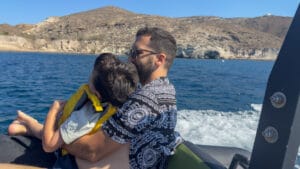
To enhance your experience, we strongly recommend taking a Pletna boat ride to the island, a choice we made during our visit with our little Jay. This adventure not only left us utterly enchanted but also convinced us that every moment and every penny invested was more than worthwhile. Discover the magic of Lake Bled, the castle, and the island with our personally recommended tour.
Also, you can savor a delightful meal at lakeside restaurants, indulging in traditional Slovenian cuisine or international flavors. During our visit, we found that dining with a view of the lake was a truly enchanting experience. Additionally, the area surrounding the lake beckons with opportunities for outdoor adventures, from hiking and cycling to strolls along scenic trails.

Postojna Cave
While touring the 24-kilometer-long cave system, you’ll have the opportunity to immerse yourself in the enchantment of the underground world. The journey is made even more captivating with a one-of-a-kind ride on Postojna Cave’s underground train. As you traverse this labyrinthine wonder, you’ll encounter stunning stalactites and stalagmites that have formed over millennia, creating breathtaking formations that will leave you in awe.
Read “Which day tour should I choose in Slovenia?“
The vast chambers, ethereal lighting, and the mysterious subterranean river, the Pivka, all combine to create an otherworldly experience that’s nothing short of magical. We were mesmerized by the sheer grandeur and natural artistry concealed within this underground realm. In the vicinity of the cave, you’ll find an array of dining options, allowing you to savour a satisfying meal or dessert after your underground exploration.
More information about the cave you will find on their official website postojnska-jama

Ljubljana
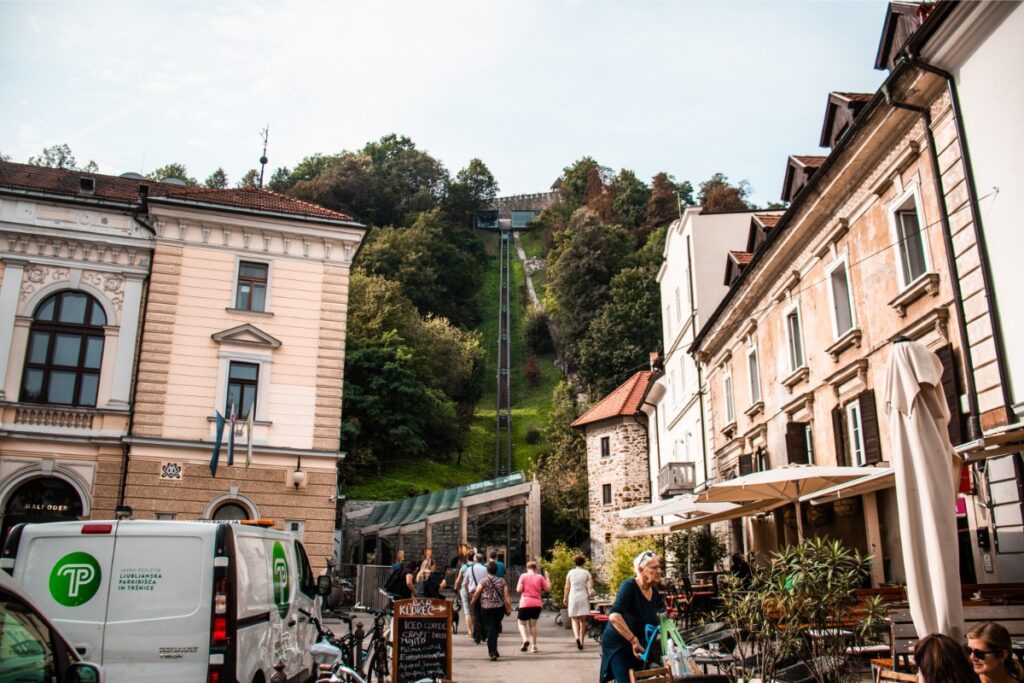
Explore the charming capital city of Ljubljana, known for its cobblestone streets, vibrant architecture, and the iconic Ljubljana Castle. Take a stroll along the Ljubljanica River and enjoy the city’s lively cultural scene. Read more in our ultimate travel guide for Ljubljana.
Predjama Castle
Predjama Castle, a medieval marvel tucked into the rugged cliffs of Slovenia, is a captivating piece of history that transported us back in time. This unique castle, dramatically built within the mouth of a cave, is a testament to human ingenuity and architectural prowess.
As you explore its mysterious chambers and winding passages, you’ll uncover tales of knights, outlaws, and medieval intrigue. The castle’s strategic location and well-preserved interiors make it a historical gem that provides a window into the past. We were entranced by the castle’s enigmatic charm and the legends that surround it. For more information and ticket prices, you can visit their official website at postojnska-jama.eu. Also, you can find all the available tours from Ljubljana to Predjama Castle.

Skocjan Caves
Skocjan Caves, located in southwestern Slovenia, is a UNESCO World Heritage Site and a geological masterpiece that beckon to be explored. These caves are a labyrinthine wonder of immense underground chambers, dramatic stalactites, and a meandering river that has sculpted the limestone landscape over millions of years. The grand chamber, often referred to as the Silent Cave, is among the largest in the world, and the echoes of the Reka River that flows through it create a mystical ambiance.
The Skocjan Caves offer two main tours for visitors to choose from: the shorter, easier Reka River underground walk and the more adventurous, guided expedition through the Silent Cave. Both provide an awe-inspiring journey through an underground world that’s both stunning and educational. The caves’ unique features, intricate formations, and rich history make them a must-visit destination for anyone seeking to explore the fascinating subterranean realms of our planet. Choose your tour on GetYourGuide.
Piran
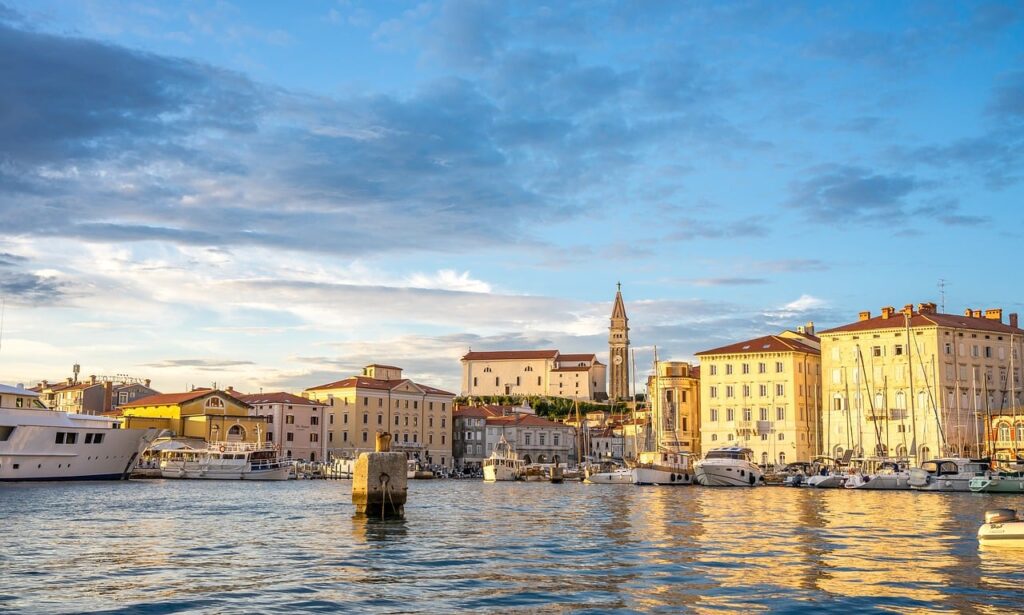
Piran, a charming coastal town on the Adriatic Sea, is a hidden treasure of Slovenia. Its well-preserved medieval architecture, narrow winding streets, and stunning seafront make it a captivating destination. Stroll through Tartini Square, named after the renowned violinist and composer Giuseppe Tartini, and savor the local seafood delicacies at one of the many seafood restaurants.
The town’s defensive walls offer panoramic views of the sea and the surrounding landscapes. Beyond its historical allure, Piran invites you to relax by the seaside, take a dip in the Adriatic, or explore nearby natural wonders like the Strunjan Nature Reserve. We were captivated by the blend of history, culture, and coastal beauty that Piran offers.
Bohinj Lake
Bohinj Lake, nestled within the embrace of the Julian Alps, is a natural jewel that captivates with its pristine beauty. As you explore the lake’s serene shores, you’ll be entranced by the reflection of the surrounding mountains on the crystal-clear waters. The area offers a wealth of activities, from leisurely walks and cycling to swimming and kayaking.
It’s an ideal destination for those seeking tranquility in the embrace of nature. If you plan to stay overnight, Camp Bohinj offers a fantastic camping experience. Nestled near the lake, this campsite provides a comfortable and well-equipped base for your adventures.
Soca Valley
This emerald gem of Slovenia is renowned for its crystal-clear Soca River, which meanders through a breathtaking landscape of lush forests, rugged mountains, and picturesque alpine villages. The valley is a haven for outdoor enthusiasts, offering a plethora of activities, from white-water rafting and kayaking to hiking and paragliding. Triglav National Park, with its diverse flora and fauna, is a part of this stunning landscape. The valley is also home to the Kobarid Museum, documenting the events of World War I.
Ptuj
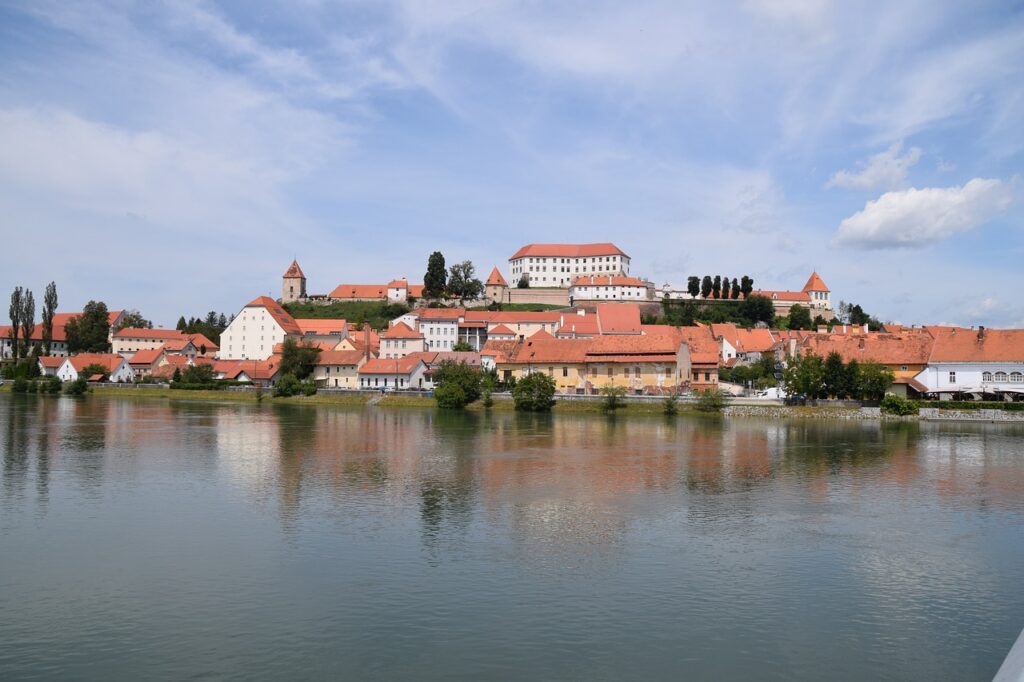
Ptuj, a captivating town in northeastern Slovenia, holds the esteemed title of being the oldest recorded town in the country. Its rich history dates back to prehistoric times, with evidence of human settlement in the Stone Age. During the Late Iron Age, Ptuj was inhabited by the Celts, adding layers to its historical tapestry. The town’s heritage is well-preserved in its architecture, with a medieval castle that overlooks the town and a charming old town center.
The Ptuj Castle, perched on a hill, offers panoramic views of the Drava River and the surrounding landscapes. The town is also renowned for its annual Kurentovanje festival, a colorful and lively event celebrating the arrival of spring. Ptuj’s cultural and historical significance, along with its picturesque surroundings, make it a destination that’s not only rich in heritage but also captivating for travelers eager to delve into Slovenia’s past.
Wine Tasting
Slovenia’s wine culture is a well-kept secret, with a history dating back to Roman times. The country’s diverse terroir, encompassing regions like the Primorska, Posavje, and Podravje wine districts, produces a wide array of exceptional wines. The Primorska region, along the Adriatic coast, is known for its rich, full-bodied reds, with indigenous grape varieties like Refosco and Teran.
The Posavje region has vineyards along the banks of the Sava River, which produce refreshing white wines, particularly the world-renowned Cviček. There, you’ll also find some delightful sparkling wines. Finally, Podravje is the hub of Slovenian wine production. It’s home to the famous Styrian and Prekmurje wines, including the aromatic Muscat and the delightful Laški Riesling.
Biking
Slovenia’s diverse landscapes and well-marked bike routes make it a haven for cyclists of all levels. Whether you’re seeking a leisurely ride through charming villages or an exhilarating mountain biking adventure, Slovenia offers an array of options to explore its stunning scenery.
Two famous routes are the Parenzana Trail Drava cycling route. The first one is passing through the picturesque Istrian countryside. Today, it’s a well-maintained cycling trail that meanders through vineyards, olive groves, and quaint villages. You can savor the flavors of Istria and explore its cultural heritage along the way. The second one, following the Drava River, provides a serene journey through Slovenia’s northeastern region. It’s ideal for families and leisure cyclists, offering flat terrain and opportunities to discover charming towns like Maribor.
These are just a taste of the many cycling routes Slovenia has to offer. The country’s commitment to sustainable and eco-friendly tourism ensures that cyclists are well-catered to with bike-friendly accommodations and stunning scenery around every bend.
Packing Tips & When to Go to Slovenia
When preparing for a trip to Slovenia, it’s essential to consider the climate and the activities you plan to engage in. Slovenia experiences a variety of weather conditions due to its diverse landscapes, so packing accordingly is important.
Clothing: Slovenia has a mix of climates, ranging from Mediterranean along the coast to Alpine in the mountains. In the summer, temperatures can range from 20-30°C (68-86°F), so light and breathable clothing is recommended. For cooler evenings and higher altitudes, carrying a light jacket or sweater is advisable. In the winter, temperatures can drop to around -2 to 7°C (28-45°F), so warm layers, including thermal clothing and a waterproof jacket, are necessary.
Footwear: Comfortable and sturdy footwear is crucial, especially if you plan on exploring cities, hiking in the mountains, or walking along the coast. Waterproof hiking boots or sturdy sneakers are recommended.
Sun Protection: Protecting yourself from the sun is essential. Pack sunglasses, a wide-brimmed hat, and sunscreen to prevent sunburn, especially if you’ll be spending time outdoors.
Rain Gear: Given Slovenia’s varied weather, carrying a small foldable umbrella or a waterproof poncho is advisable, particularly during the shoulder seasons.
Adapters: Slovenia uses the Type C and Type F plug sockets, so make sure to bring a suitable plug adapter if your devices have a different plug type.
Insect Repellent: If you’re planning outdoor activities or spending time near water bodies, having mosquito repellent can be handy.
Best Time to Visit: The optimal time to explore Slovenia is during the warmer months from May to September, when outdoor activities, festivals, and cultural events are abundant. Spring and fall are also ideal, with milder weather and fewer tourists. Winter is excellent for skiing in the Slovenian Alps and enjoying the festive atmosphere, particularly during the Christmas markets.
Useful words
| Hello | Zdravo | Good morning | Dobro jutro |
| Good evening | Dobro večer | Thank you | Hvala |
| Please | Prosim | Yes | Da |
| No | Ne | How are you? | Kako ste? |
| Goodbye | Nasvidenje | My name is | Moje ime je |
Slovenia Travel Guide FAQ — Everything you need to know
EU citizens need only an ID card. US, Canadian, Australian, and UK citizens: no visa, 90-day Schengen rule applies.
Cave only: ~€25.80 adults. Combo with Predjama Castle: ~€35.70. Predjama Castle only: ~€13.80. Temperature inside: constant 10°C, bring a layer. Home to the extraordinary “human fish” (Proteus anguinus), a blind amphibian unique to this cave system.
Take the pletna boat to Bled Island (~€18 return, pay at the dock), visit Bled Castle (~€15), walk the 6km lake circuit (free, 1.5 hours), hike to Vintgar Gorge nearby (~€8–10), and eat the legendary Kremšnita cream cake (~€5 at Park Hotel café). Arrive before 8 am or after 5 pm to avoid peak crowds.
Lake Bled (pletna boat, gorge, castle), Postojna Cave + Predjama Castle (~€35.70 combo), Soča Valley (emerald river, white-water rafting), Triglav National Park (Lake Bohinj, Savica Waterfall), Piran, Venetian coast town, Škocjan Caves (UNESCO, ~€23). Browse more on GetYourGuide Slovenia.
Strongly recommended for the Soča Valley, Triglav National Park, Karst wine country, and coastal areas. Ljubljana and Lake Bled are reachable by bus. Motorway vignette required (~€16/week), buy at border petrol stations or at dars.si before entering highways. Compare car rental at Discovercars.com.